The Dropshipping Business Guide for Beginners 2026
Imagine waking up, sipping coffee, and checking sales that came in overnight — all without packing boxes or managing a warehouse. That’s why so many people are searching for dropshipping for beginners 2026: it promises low startup cost, flexible location freedom, and the ability to test product ideas quickly. In this guide, I’ll walk you through a clear, step-by-step plan you can use right now to launch and scale a modern dropshipping store in 2026 — with practical tips, mistakes I made early on, and the automation shortcuts that actually move the needle.

What is Dropshipping?
Dropshipping is an e-commerce model where you sell products online without holding inventory. When a customer buys, you forward the order to a supplier (or fulfillment partner) who ships the item directly to the customer. You’re responsible for marketing, pricing, customer experience, and the storefront, and the supplier handles inventory and shipping. This separation cuts upfront inventory costs and lets you focus on growth, testing, and customer experience.
Why Start a Dropshipping Business in 2026?
Global e-commerce growth. Online retail is projected to surpass $8 trillion in sales by 2026, creating massive opportunities for new businesses. The landscape has changed — the low-hanging “easy money” methods of years past don’t work the same way — but dropshipping remains a powerful entry path into e-commerce if you use modern tactics: higher-quality suppliers, hybrid fulfillment, content-first marketing, and automation. Industry analysts and platforms still report that dropshipping and related on-demand models are sizable and growing markets, and major platforms publish updated guides and automation tools to help sellers succeed. Why this matters to you: the overhead is low, you can iterate quickly, and in 2026 buyers expect better shipping times, clearer branding, and helpful customer service — and those are exactly the areas where a smart dropshipper can outcompete amateurs. Recent platform lists and supplier directories also make it easier than ever to find reliable partners.

Dropshipping for Beginners: Your Step-by-Step Launch Plan
Below is a practical, repeatable 9-step plan — the exact “dropshipping step by step” approach I used (and keep iterating). I’ll repeat the core 1–2 step process a few times so it sticks: (1) find a focused niche + product, (2) pick reliable suppliers and automate the order flow. Do those two well, and everything else becomes compounding growth.
Step 1: Conduct Niche & Product Research
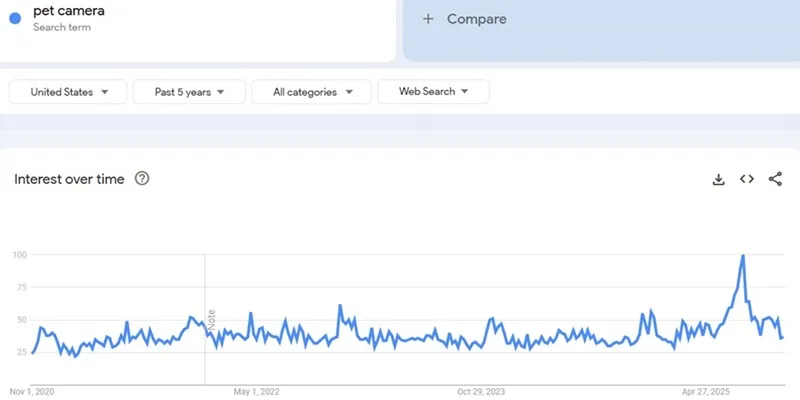
Start narrow. Look for a niche with clear demand and room for differentiation. Use Google Trends, platform “best sellers” lists, and product trend posts to spot momentum. Consider:
- Passion or problem-driven niches (fitness accessories, eco-friendly home goods).
- Products with simple warranties and low return rates.
- Items that aren’t saturated with identical low-price listings.
Sources in 2025–2026 emphasize niche selection and hybrid fulfillment (mixing local inventory for fast movers with dropship suppliers for test SKUs). Track trending product lists and seasonality before committing.
Step 2: Analyze Competition
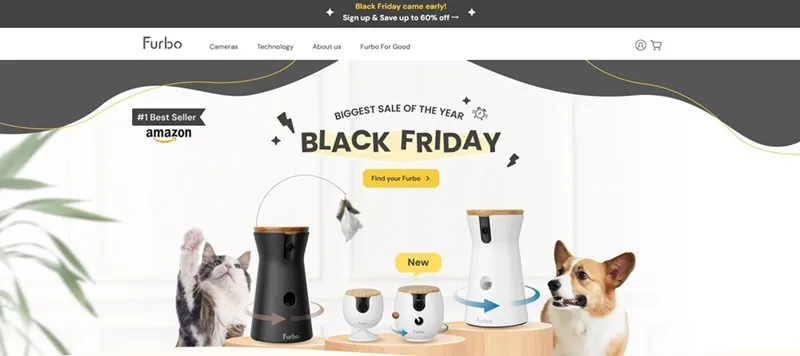
Don't copy — analyze. Look at the top stores in your niche: product pages, pricing, shipping times, branding, ads, and customer reviews. Ask: What can you do better? Faster shipping? Clearer sizing guides? Helpful video demos? Competitive analysis reveals market expectations and areas to stand out.
Step 3: Find Reliable Suppliers
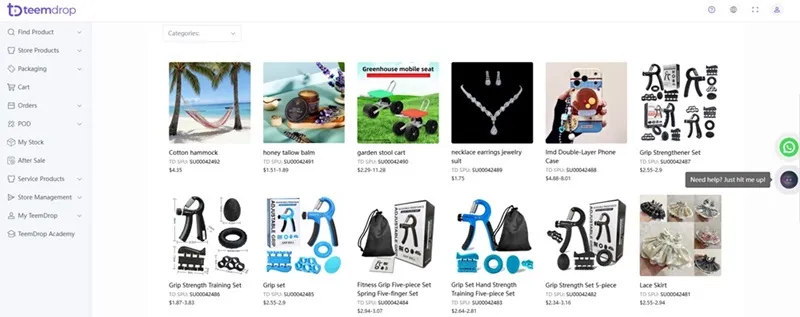
Supplier reliability is everything. Prioritize suppliers with: real-time inventory sync, accurate ETAs, order automation APIs/apps, and positive reviews from other merchants. In 2025–2026, popular directories and platforms like Spocket, TeemDrop, Syncee, and others remain frequently recommended; cross-check suppliers for fulfillment locations and sample-order at least once.
Tip: consider hybrid fulfillment — keep small local inventory for bestsellers while dropshipping test products. Many sellers now use hybrid models to balance speed and capital efficiency
Step 4: Set Up Your E-Commerce Store
Pick a platform that integrates easily with dropshipping apps and automation tools. Shopify is still the go-to for many beginners because of its app ecosystem and
straightforward onboarding, but WooCommerce, BigCommerce, and hosted builders are valid choices depending on budget and preferences. Make sure your theme is mobile-first, product pages load fast, and your checkout is clean.
Core elements to set up now: brand name, logo, product categories, clear product descriptions, images (supplier images are fine to start but replace with better photos or mockups later), and essential pages (refunds, shipping, terms).
Step 5: Import Products and Optimize Listings
Don’t import everything. Start with 10–25 well-researched SKUs. For each product:
- Write benefit-driven descriptions (use your voice).
- Add size/usage guides and FAQs.
- Optimize titles and meta descriptions for basic SEO (long-tail keywords help).
- Add buyer reassurance (tracking, returns policy).
Automation apps can import product data and sync prices, but always verify imported content for clarity and accuracy.
Step 6: Configure Legal Pages, Shipping, and Payments
Set transparent shipping times and fees — customers expect clarity. Add legal pages (privacy, terms, return policy) and display expected delivery dates on product pages. Integrate multiple payment gateways (Stripe, PayPal, local methods) to reduce checkout friction.
Step 7: Develop Your Marketing Strategy
Combine paid and organic channels:
- Content-first approach: build a content engine (short videos, how-to articles) to drive traffic and trust over time. Recent guides argue “organic first, ads later” works strongly in 2026.
- Paid ads: test small, focused ad campaigns for winners. Start with conversion-focused creatives and test 3–5 ad creatives per audience.
- Email & retention: capture emails with a value-first lead magnet and build flows for cart recovery and post-purchase upsells.
Repeat the core process: find niche/product → automate fulfillment → create content/ads for that product. Do that cycle rapidly.

Step 8: Provide Excellent Customer Service
Fast, helpful support converts one-time buyers into repeat customers. Use chat widgets, a clear returns process, and shipping updates. When problems occur, refund or replace quickly — reputation matters more than a few dollars in margin.

Step 9: Analyze, Optimize, and Scale Your Business
Track key metrics: conversion rate, average order value (AOV), cost per acquisition (CPA), customer lifetime value (CLTV), and return rate. Double down on winning SKUs and marketing channels, scale budget where ROAS is positive, and consider moving high-volume SKUs to local fulfillment for speed.

Why Automation is Key to Dropshipping Success in 2026
Automation is no longer optional — it’s the difference between a hobby store and a scalable business. Automating product import, price syncing, order forwarding, tracking updates, and even routine customer messages frees you to focus on product-market fit, creatives, and scaling. Modern automation platforms and apps are specifically built to save the dozens of hours/week otherwise spent on manual tasks. Industry resources and platform blogs strongly recommend adopting automation early to avoid operational friction as you grow.
Examples of what to automate:
- Order processing (auto-send orders to supplier)
- Inventory & price sync (avoid oversells)
- Tracking updates (improve CSAT)
- Repricing rules (protect margins)
- Email flows (convert abandoned carts)
Automation also helps you execute the repeated core 1–2 step loop faster: discover product → automate fulfillment → market, which compounds results.
My Honest Story — what I learned the hard way
When I started, I treated dropshipping like flipping product listings quickly — import a ton, run broad ads, hope something stuck. I learned two brutal lessons: first, cheap suppliers with slow shipping kill conversion and create refunds; second, doing every task manually burned out my time. After switching to a narrow niche, ordering samples, and implementing automation, conversion and margins improved. The change wasn’t sexy — it was consistent testing and removing friction. That’s why I keep repeating my core process: niche + reliable suppliers + automation = repeatable wins.
Conclusion
Dropshipping in 2026 is not a magic lottery — it’s a system you can learn and repeat. Focus on the two-step engine: pick a focused niche and product, then pick reliable suppliers and automate the order flow. From there, build great product pages, prioritize customer experience, and scale with data-driven marketing. If you use these steps, dropshipping for beginners 2026 can be a practical, profitable way to build an online business — but it rewards discipline, testing, and smart automation.
FAQs
Is dropshipping still profitable in 2026?
Yes — dropshipping remains profitable for sellers who focus on product-market fit, reliable suppliers, and efficient marketing. Profitability depends on niche choice, supplier costs, shipping times, and marketing efficiency. Many industry write-ups and platform resources confirm the model is alive but more competitive and automation-driven than before.
What is the biggest mistake dropshipping beginners make?
The biggest mistake is prioritizing volume over quality: importing hundreds of SKUs from unreliable suppliers and running broad ads. That creates customer service headaches and erodes margins. Instead, start narrow and validate winners.
How much money do I need to start a dropshipping business?
You can start with a small budget — typically a few hundred dollars to cover a domain, basic store subscription, a few ad tests, and product samples. Budget more for paid marketing if you want faster growth.
How do I handle shipping and returns?
Set clear shipping timelines on product pages, use tracking, and work with suppliers who accept returns or handle them via local fulfillment partners. For returns, have an easy-to-find returns policy and a plan: refund, replace, or local returns address depending on product/price.
Why is an automation tool necessary?
Automation tools reduce manual work (order processing, inventory sync, tracking updates) and lower human error. They let you scale faster while maintaining accurate orders and a better customer experience — essential for profitable growth.