How to Make Money on Dropshipping in 2026: A Practical Guide to Real Profit
Dropshipping is often described as one of the easiest ways to get started in e-commerce. There's no need to build up stock, no need for a warehouse, and no high up-front costs for inventory. It sounds almost too good to be true, and honestly, it is for most people.
A deeper look reveals the harsh reality: the vast majority of reseller stores will never make big bucks. Only a handful of sellers run a business that pays the bills, while everyone else ends up exhausted after a few months, scratching their heads in confusion and wondering what happened.
In fact, it's rarely bad luck or the lack of a "viral product" that's to blame. The successful ones are those who have finally figured out how to make real money with dropshipping today, and then set up a system that doesn't collapse when business is good.
This guide explains everything simply and realistically, especially for beginners who want concrete results without exaggeration.

Can You Really Make Money on Dropshipping Today?
Yes, dropshipping can still make you money today. But it's not the same game it was a few years back.
Back then, you'd just throw up a product listing, throw some ads at it, and count on dirt-cheap shipping from overseas to handle the rest. These days, consumers want fast Global Delivery, they expect the highest quality, and they no longer tolerate silence in the event of a problem. E-commerce platforms have also become more strict, paying particular attention to reviews, complaints, disputes and refunds.
This doesn't mean, however, that dropshipping is a thing of the past. It simply means that the rules of the game have changed.
If you run it as a legitimate business, with proper processes and systems in place, it can still be quite profitable. But if you see it as a quick way to make money, or a shortcut to easy money, you'll almost certainly fail.
How Does Dropshipping Make Money?
Before we get into specific steps, we need to figure out where profits actually derive from.
The Real Dropshipping Profit Formula
At a simple level, dropshipping profit comes from this:
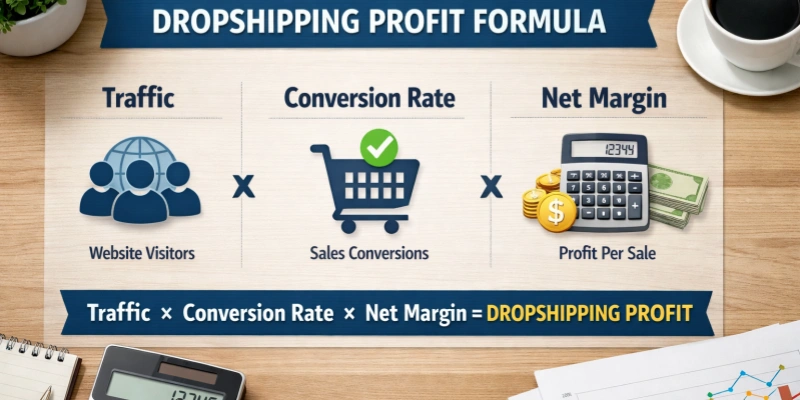
Traffic × Conversion Rate × Net Margin
- Traffic: people visiting your store
- Conversion rate: how many actually buy
- Net margin: what’s left after product cost, shipping, refunds, and ads
Many beginners focus only on traffic. But traffic alone doesn’t make money. If your product arrives late, breaks easily, or doesn’t match expectations, refunds and complaints will eat your profit fast.
Hidden Costs That Kill Dropshipping Profits
Some of the biggest losses in dropshipping don’t show up at first:
- Shipping delays that cause refunds
- Poor product quality that leads to disputes
- Manual order mistakes
- Inconsistent suppliers
These issues don’t just reduce profit. They also damage trust, ad performance, and long-term growth.
Step-by-Step: How to Make Money on Dropshipping
Let’s break down the entire process into clear and workable specific steps.
Step 1 – Choose a Profitable Dropshipping Niche
Many beginners start by searching for random "winning products." A better approach is to start with a niche.
A good niche usually has:
- Clear problems to solve
- Customers willing to pay
- Reasonable expectations around shipping
Instead of selling everything, focus on one category and one type of customer. This makes marketing easier and builds trust faster.
Step 2 – Find Winning Products with Long-Term Demand
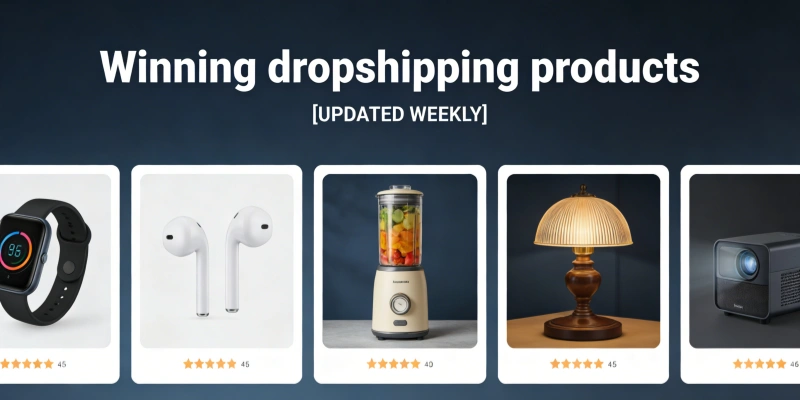
Winning products are not always viral products.
A good product:
- Solves a real problem
- Has consistent demand
- Is not easily returned
This is where product sourcing matters. Guessing often leads to unstable results. Some sellers use platforms like TeemDrop to explore product options based on data and supplier feedback, rather than trends alone.
The goal is not a quick win—it’s a product you can sell consistently.
Step 3 – Work with Reliable Dropshipping Suppliers
Your supplier is part of your business, whether you like it or not.
Unreliable suppliers cause:
- Late shipments
- Wrong items
- Quality issues
All of these turn into customer complaints.
Instead of juggling multiple unknown suppliers, many sellers now prefer working with fulfillment partners that manage sourcing and supplier communication in one place. TeemDrop, for example, helps sellers reduce uncertainty by connecting products with structured fulfillment workflows.
Step 4 – Build a Store That Converts Traffic into Sales
A good-looking store is not enough. A store that converts focuses on trust.
Key elements include:
- Clear product descriptions
- Honest shipping timelines
- Easy-to-find support information
- Simple checkout
Customers don’t need perfection. They need clarity and confidence.
Step 5 – Fulfillment Speed Is What Makes or Breaks Profit
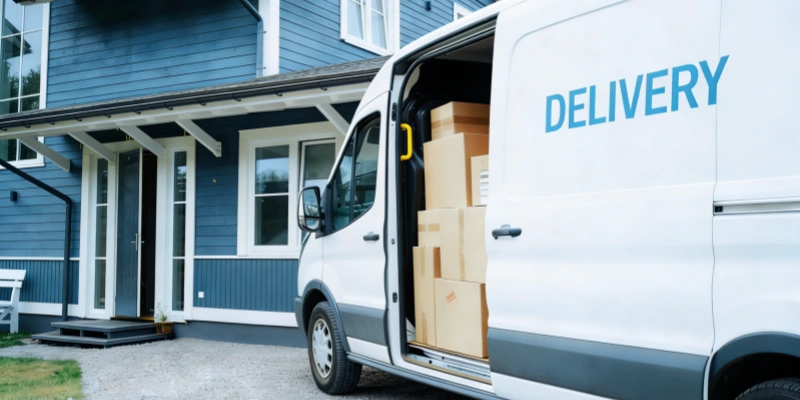
Shipping speed doesn’t just affect delivery—it affects sales.
Slow or unpredictable fulfillment leads to:
- Lower conversion rates
- More refund requests
- Negative reviews
Some sellers see way better results after switching to local or regional fulfillment, instead of shipping everything directly from China or overseas.
Platforms like TeemDrop make it pretty straightforward—they've got centralized warehouses plus local shipping options, so you can choose whatever works best for your target audience and get a lot more flexibility.
Step 6 – Quality Control Protects Your Revenue
Quality control is often dismissed by beginners, but it plays an important role in profitability.
Without quality checks:
- Returns increase
- Disputes increase
- Payment providers may flag your store
Simple checks before shipping can prevent many of these issues. Some fulfillment systems, including TeemDrop, include built-in quality control to reduce these risks before orders go out.
Why Most Dropshipping Stores Don’t Make Money
Many stores fail for predictable reasons.
Chasing Viral Products Instead of Building a System
Viral products may bring traffic, but they don’t build stability. Once the trend ends, the store collapses.
Ignoring Fulfillment and Customer Experience
Selling a product is only half the job. Delivery, communication, and support decide whether money stays in your account.
Relying on One Supplier or One Traffic Source
When one supplier fails or one ad account is banned, the business stops. Diversification matters.
Poor Marketing Strategies and High Ad Costs Without Optimization
Running ads without tracking results or improving conversion usually leads to losses. Marketing needs testing, not guessing.
How TeemDrop Helps Sellers Make Money on Dropshipping More Consistently
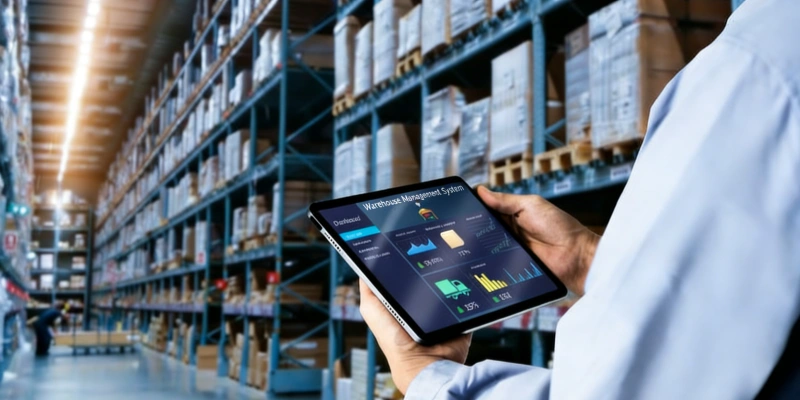
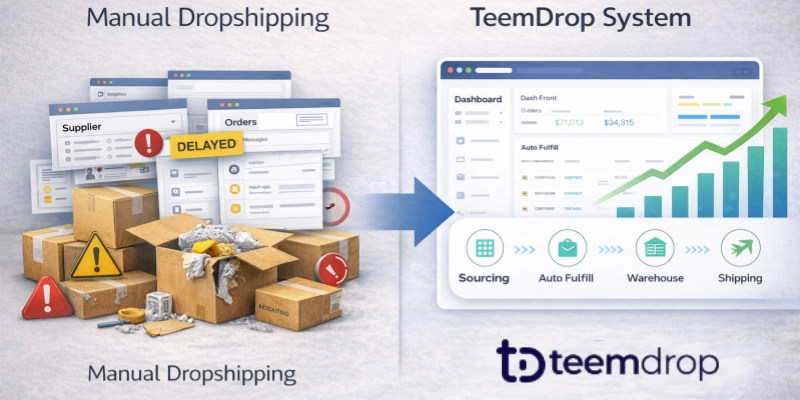
As dropshipping gets tougher and more competitive, a lot of sellers figure out pretty quick that doing everything by hand only works in the early days. Handing off orders one by one yourself and only jumping in to fix stuff when it breaks—that'll suck up your whole day fast and eat into whatever money you're making.
If you actually want to make real, steady cash without going crazy, you need things set up so mistakes barely happen and orders just go out smooth.
That's pretty much what TeemDrop does for you. It handles a bunch of the annoying parts so you don't have to.
From Product Sourcing to Auto Fulfillment
Most beginners get stuck because nothing connects properly. Products are sourced from one spot, orders handled in another, and tracking shipping updates feels like a nightmare.
TeemDrop pulls product sourcing and order fulfillment into a single, smooth process. When a customer places an order, it can go through Auto Fulfill—no need to forward it yourself. This saves hours of work and prevents those annoying mistakes like missing orders or sending the wrong items, which get worse as your sales pick up.
Warehouse, Local Fulfillment, and Quality Control
Shipping speed and the quality of your products really make or break your profits. If stuff takes forever to arrive or shows up looking cheap and crappy, you'll deal with a ton of refunds and pissed-off customers.
TeemDrop gives you Warehouse Customize options and local shipping options, which means you can get orders to your buyers quicker in the markets that matter most—without your costs exploding. Plus, they do simple quality inspections before anything ships out, catching problems early instead of dealing with complaints later.
Scaling Without Losing Control
When there are only about ten orders a day, it's nothing - you're perfectly capable of handling it yourself. But once the volume of orders exceeds a hundred, the situation can quickly become unmanageable.
As your store grows, you suddenly have to manage more suppliers, a greater volume of product flows and a massive influx of customer messages, all at the same time. Without the tools to manage this in an integrated way, the situation can quickly degenerate into chaos.
TeemDrop basically pulls everything into one place—orders, shipping, all that—so you can actually keep track without losing your mind, even when sales are blowing up.
That way, you can spend your time hunting down good products and tweaking your ads, instead of stressing over the daily shipping headaches.
Is Dropshipping Still Worth It If You Want to Make Money Long-Term?
Dropshipping is not a shortcut, but it can be a strong business model when done properly.
Who Should Start Dropshipping Today
Dropshipping works best for people who:
- Are willing to test and learn
- Care about customer experience
- Want to build systems, not chase trends
What You Need to Succeed in Modern Dropshipping
Success today depends on:
- Reliable fulfillment
- Clear communication
- Consistent product quality
- Tools that reduce manual work
Platforms like TeemDrop exist because sellers now need more structure than before.
Conclusion
Making money with dropshipping in 2026 isn't about some hidden tricks or shortcuts. It's really just about setting up something solid that your customers can count on.
When you get the product picking, shipping, and making sure stuff isn't junk all working together smoothly, the whole thing gets way more predictable and easier to grow.
With a good setup and reliable partners to help out, dropshipping can still be a legit way to build a real online store that actually makes money.
FAQ
How much money do you need to start dropshipping?
You can start with as little as a few hundred dollars. But expect to pay for product testing, classified advertising and basic set-up costs. If you bet too much on savings at the outset, you risk paying more later on.
How long does it take to make money on dropshipping?
Most sellers need a few months to test products and improve systems. Fast results are rare, but consistent progress is realistic.
What is the biggest mistake that stops people from making money on dropshipping?
Neglecting shipping costs and customer satisfaction. Many stores make sales, but lose money handling complaints and refunds afterwards.
Can dropshipping be profitable without paid ads?
Yes, but it takes longer. Free traffic from social networks, content or partnerships can work very well if your shipping is fast and your products are of good quality.