The 4 types of Best Dropshipping Suppliers 2026: Grouped by 4 Types Wholesalers Trust
In 2026, dropshipping isn’t about who has the most products anymore—it’s about who can actually handle real growth without everything breaking. Ad costs keep climbing, customers want packages in under 10 days, and competition is brutal. Most sellers start with the easy stuff, then hit a wall fast.

That’s where the 4 types of best dropshipping suppliers come in. Only one type is truly built to scale without constant headaches, and Teemdrop is the clearest example of it—made for people done gambling on shaky shipping and ready to run a proper business.
This article breaks the noise down into the four groups that actually matter, shows what each is good at, and helps you pick the right one for where your store is today—and where you want it by the end of the year.
The 4 Types of Dropshipping Suppliers
Not all dropshipping suppliers are the same. Some are good for quick product testing, while others are made for building a truly sustainable business - without the daily hassle of minutiae. Understanding these four types will help you both avoid wasting time and guide you to a partner that's a true fit for growth.
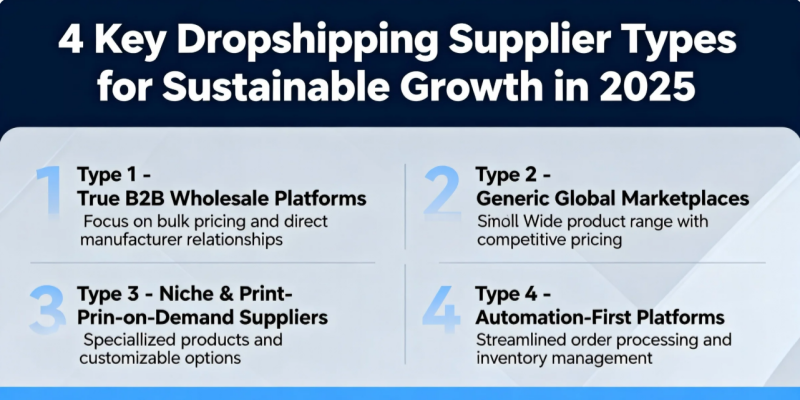
Type 1 – True B2B Wholesale Platforms
These suppliers operate more like real wholesale partners than casual dropshipping marketplaces. They focus on stable supply, consistent quality, and predictable fulfillment — things that matter a lot more once your store starts getting real orders.
Examples:
- Teemdrop– everything in one place: factory-direct pricing, Auto Fulfill, in-house QC, Warehouse Customize, and a real 24/7 Service Team.
- Worldwide Brands– vetted wholesale directories (old-school but legit).
- Alibaba wholesale sections– can work if you’re ready to haggle and manage agents yourself.
Core Characteristics:
- Stable stock and repeatable supply.
- Lower product cost, leading to stronger margins.
- Structured fulfillment with QC and packaging options.
- Optional automation features that reduce manual work.
Best For:
Sellers who want predictable logistics, consistent product quality, and a partner they can grow with. This is why many scaling sellers eventually move toward platforms like Teemdrop — they’re built for more than just "testing products."

Type 2 – Global Marketplaces & Supplier Directories
These platforms gather thousands of independent suppliers in one place. They’re easy to browse and great for beginners trying out new niches.
Examples:
- Spocket– suppliers mainly from the US/EU.
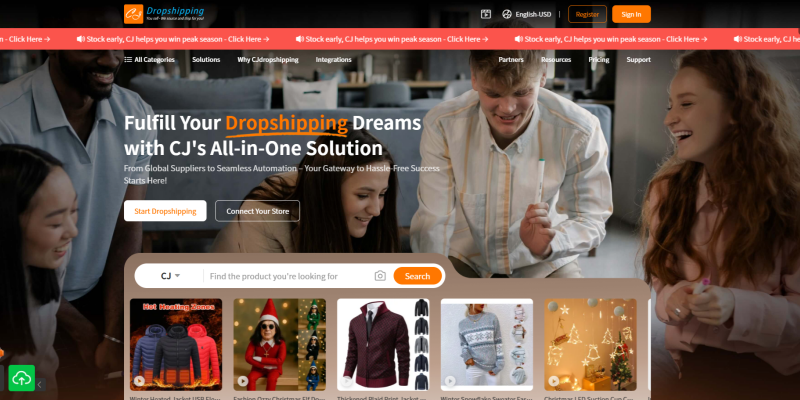
- CJDropshipping– large global directory with automated syncing.
- DropCommerce– focuses on US/Canada suppliers with faster local shipping.
Core Characteristics:
- Huge product variety for quick testing.
- Simple importing to your store.
- Some automation features, depending on the app.
Trade-offs:
- Shipping speed varies by supplier.
- Stockouts can happen without warning.
- Quality can be hit-or-miss.
Best For:
Perfect for new sellers just testing products or getting their first store off the ground.
They’re easy and cheap to start with, but the second sales take off, most people quickly outgrow them and need something steadier.
Type 3 – Niche & Print-on-Demand (POD) Suppliers
These are the go-to when the whole game is built around custom designs or super-specific categories. You’re not fighting on price—you’re selling something nobody else has exactly the same.
Examples:
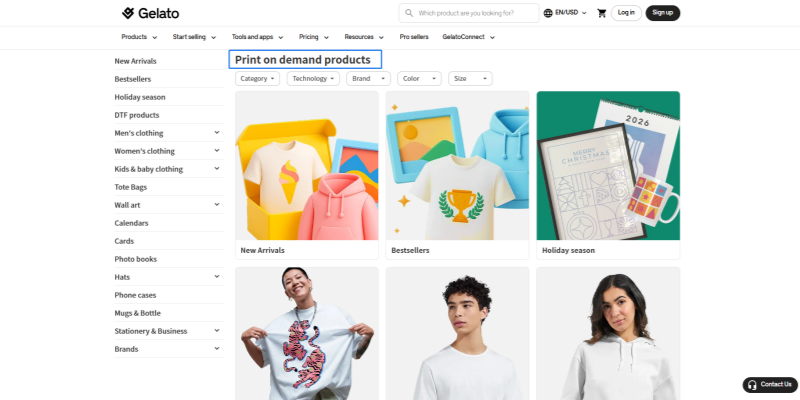
- Printful,Printify, Gelato, Teelaunch – classic POD for tees, hoodies, mugs, posters, phone cases, whatever you can slap a design on.
- Niche specialists like ShineOn(jewelry), Gooten (home décor), Art of Where (leggings & fabrics), or pet-focused ones like PetPocket and PupSocks.
Core Characteristics:
- Great for brand building and customization.
- Lower competition because the products aren’t as generic.
- No inventory risk because items are made after the order comes in.
Trade-offs:
- Slower fulfillment due to customization.
- Higher costs that reduce margins if products aren’t priced well.
- Scaling difficulty if volume increases suddenly.
Best For:
Stores focused on storytelling, branding, or custom products rather than speed.
Type 4 – Automation-First Dropshipping Platforms
These platforms are built for sellers who don’t want to spend every day dealing with suppliers manually. They integrate closely with your store and automate most of the operational work.
Examples:
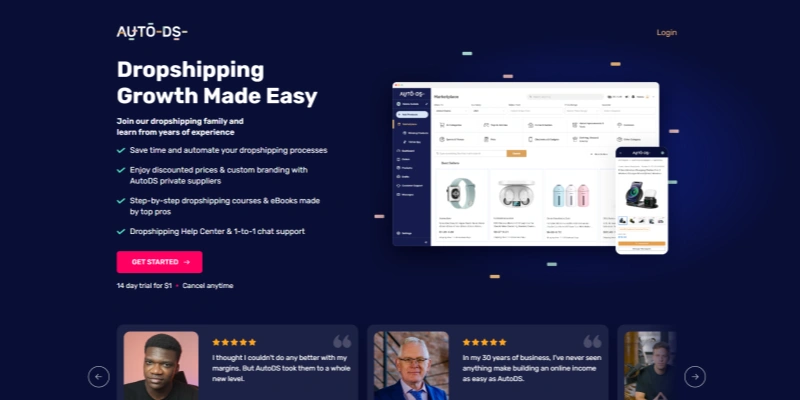
- AutoDS– sourcing, fulfillment, and global warehousing.
- Zendrop– simple fulfillment workflows and branded packaging.
- Dropified-ready suppliers inside Spocket, Syncee, and similar apps.
Core Characteristics:
- Order syncing and auto-fulfillment.
- Fewer manual tasks and fewer fulfillment mistakes.
- Easier to scale compared to marketplaces with many individual suppliers.
Trade-offs:
- Smaller product range compared to big marketplaces.
- Sometimes additional service fees.
- Less control over small details of the process.
Best For:
Sellers who want to grow quickly without spending hours every day checking orders or messaging suppliers.
Side-by-Side Comparison: Teemdrop vs Top Alternatives (2025 Data)
|
Platform
|
Base Pricing
|
Avg. US/EU Delivery
|
Branding Depth
|
Auto-Fulfillment Quality
|
In-House QC
|
Dedicated Support
|
Realistic Scale Ceiling
|
|
Teemdrop
|
Factory wholesale (no monthly fees)
|
5-10 days
|
Full (custom packaging, POD, thank-you cards)
|
Native real-time (30-min processing)
|
Yes (100% inspection, <0.1% defects)
|
Yes, 24/7 human + AI
|
$10M+ / year (1M+ orders/month)
|
|
CJdropshipping / AliExpress
|
Retail + markup (no monthly fees)
|
2-5 days (US warehouse); 7-15 days (standard)
|
Basic (custom inserts, logos; extra fees)
|
Good (automatic processing)
|
Yes (per-package inspection)
|
Ticket-based, 24/7
|
~$5M / year (1M+ orders/month)
|
|
Zendrop / Spocket
|
Subscription + markup ($0-$49/month)
|
2-5 days (US); 7-15 days (EU/global)
|
Basic (inserts, branded tape; paid plans)
|
Good (automated, but sync issues at scale)
|
No (supplier-dependent)
|
Chat/email, 24/7
|
$2–5M / year
|
|
Printful / Printify
|
POD markup ($0-$24.99/month)
|
2-7 days (US/EU local)
|
Full (labels, slips; extra fees)
|
Excellent (real-time sync)
|
Yes (in-house for Printful)
|
Ticket/good, 24/7
|
Niche-dependent ($1-3M / year)
|
The Wholesaler’s Dilemma: Why "Regular" Dropshipping Doesn’t Scale
Regular dropshipping often works—until it suddenly doesn’t. The model breaks down when volume exposes structural weaknesses.
Common scaling issues include:
- Supplier stockouts without notice
- Delayed order processing during sales spikes
- Inconsistent packaging harming brand perception
- Manual order oversight becoming unmanageable
At low volume, the delays and quality hiccups are annoying but manageable. Hit real scale and they kill margins, spike refunds, and trash trust. That’s why serious sellers eventually ditch the beginner tools and move to proper wholesale platforms built for actual growth.
The 5-Point Checklist for a Wholesale-Ready Dropshipping Partner
To assess whether a platform can be among the 4 best suppliers of dropshipping, wholesalers rely on 5 core criteria that cannot be compromised.
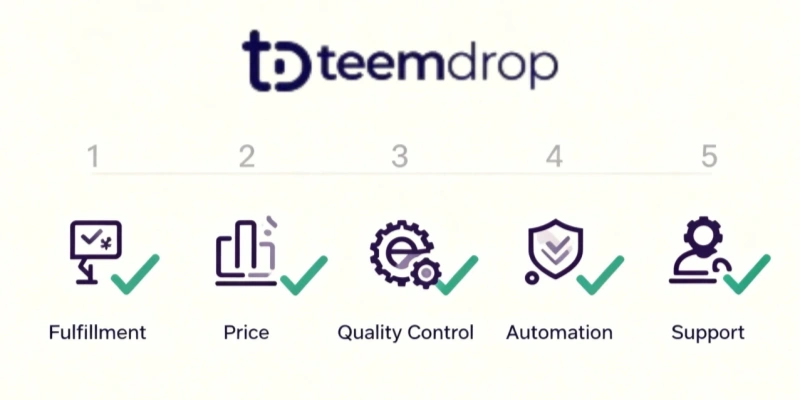
1. Scalability & Order Fulfillment Capacity
A supplier must prove they can process high order volumes consistently—not just during normal weeks but also during peaks.
2. True Wholesale Pricing & Margin Integrity
Wholesale pricing isn’t just about lower costs. It’s about price stability that allows for long-term planning and ad scaling without sudden margin erosion.
3. Product Quality Control & Brand Consistency
Without someone actually opening and checking the stuff before it ships, you’re guaranteed random defects, cheap-feeling materials, and busted boxes.
That’s why anyone who’s been doing this for a while only works with suppliers that inspect every order in-house instead of just dealing with the mess after customers complain.
4. Advanced Integration & Automation Tech
Manual workflows collapse under growth. Platforms with integrated systems and automated syncing dramatically reduce operational risk through mechanisms like auto-fulfillment, ensuring orders move from storefront to warehouse without friction.
5. Dedicated B2B Support & Fast Communication
When issues arise at scale, response time matters. Wholesale-grade partners provide structured support rather than general-purpose ticket queues.
How to Properly Vet and Test Any Dropshipping Supplier
Even the most promising supplier should be tested rigorously before full adoption.
Step 1: Always Place at Least 3 Test Orders Yourself
Never judge a supplier based on product photos or descriptions alone. Placing a few real orders will give you an idea of the quality of the packaging, the consistency of the product, and whether the supplier takes small orders seriously.
Step 2: Check Real Shipping Times and Tracking Quality
Compare the promised delivery time with the actual arrival date. Pay attention to tracking updates — clear, consistent tracking usually means better logistics and fewer customer complaints.
Step 3: Review Return/Refund Policy and Defect Rates
Returns are unavoidable, especially with new stores. A reliable supplier should have clear refund rules and realistic defect handling, not vague promises that change after a problem occurs.
Step 4: Test Customer Support Response Time
Reach out with simple questions and see how fast you get a reply. Support that disappears or responds slowly during testing will likely be worse when real issues come up.
Step 5: Ask the "Hard Questions" About Scaling
Ask how the supplier handles higher order volume, stock issues, and delays during peak seasons. If answers are unclear, it’s a sign the supplier may struggle as your business grows.

The One Platform That Actually Checks All 5 Boxes in 2026
After examining all four supplier types, automation-first platforms consistently outperform others for wholesalers. Among them, Teemdrop stands out due to infrastructure rather than marketing.
1. Handles 100,000+ Orders/Month Without Delays
Teemdrop's architecture and supplier network is built for scale. Stress-tested systems and a well-established fulfillment network ensure that your orders are shipped smoothly and on time even during Black Friday or peak season sales, so you can stop bottlenecking your growth once and for all.
2. True Wholesale Pricing (30-50% Real Margins)
Teemdrop skips the middlemen and deals straight with factories and big wholesalers.
That means the prices you get are real wholesale rates—low enough to cover ads, overhead, and still walk away with fat, healthy margins.
3. In-House QC + Full Branding & Packaging
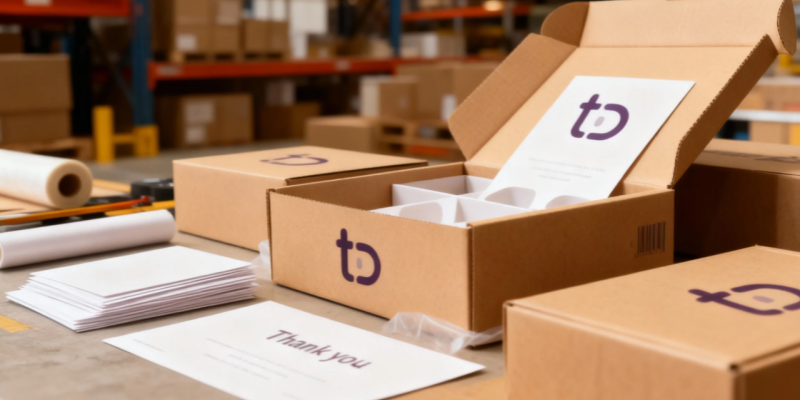
Teemdrop has established an in-house QC process to quality check products. Meanwhile, we provide in-depth branding services, from product labeling to outer boxes, all of which can be customized to your own brand, making every delivery a brand promotion. Their Warehouse Customize options (custom boxes, inserts, thank-you cards) are priced like wholesale, not POD markups.
4. Full Auto Fulfill & Real-Time Sync
Teemdrop hooks straight into Shopify. The second a customer checks out, the order shoots over, gets processed, and inventory updates instantly—no spreadsheets, no manual clicks, no overselling disasters. Just works and saves a ton of time.
5. Dedicated Account Manager & 24/7 B2B Support
As a Teemdrop partner, you get a dedicated account manager. They understand your business model, and when you have any problems, you can contact your private agent directly to get a fast and professional solution instead of talking to a bot.
FAQ
What is the first factor for long-term dropshipping profitability?
Operational reliability. In the lack of stable performance and consistent product quality, marketing gains will quickly be eroded by refunds and customer attrition.
How fast does Teemdrop ship to the US and Europe?
Shipping timelines typically range from 5–10 business days, depending on destination and product category, with consistent tracking and logistics partners.
Is there a minimum order quantity (MOQ) with Teemdrop?
There is no traditional MOQ barrier, but the platform is optimized for sellers intending to scale rather than remain at low-volume testing stages.
Can I private label and custom package products with Teemdrop?
Yes. Branding customization, packaging customization, and checking processes are core features designed for wholesalers.
Conclusion
In 2026, dropshipping isn’t about how fast you can slap a store together anymore.
It’s about having a backend that doesn’t fall apart when sales actually take off.
Knowing the different supplier types, spotting their real limits, and testing them properly are the only way to build something that lasts. When judged by real wholesale standards, only the true B2B platforms—and especially Teemdrop—come out on top. Pick the right one, and you’re not just surviving 2026; you’re set for years.