Best CJ Dropshipping Alternatives in 2026
CJ Dropshipping remains one of the most recognized fulfillment platforms for ecommerce sellers, offering free access, millions of products, and a global warehouse network. However, as stores grow, many merchants begin looking for alternatives that provide more reliable quality control, faster fulfillment, stronger branding capabilities, or better automation.
In this guide, we'll compare CJ Dropshipping, Zendrop, AutoDS, Spocket, DSers, and TeemDrop across pricing, shipping speed, quality control, branding, and ideal use cases, helping you choose the fulfillment platform that best matches your business in 2026.
At a Glance
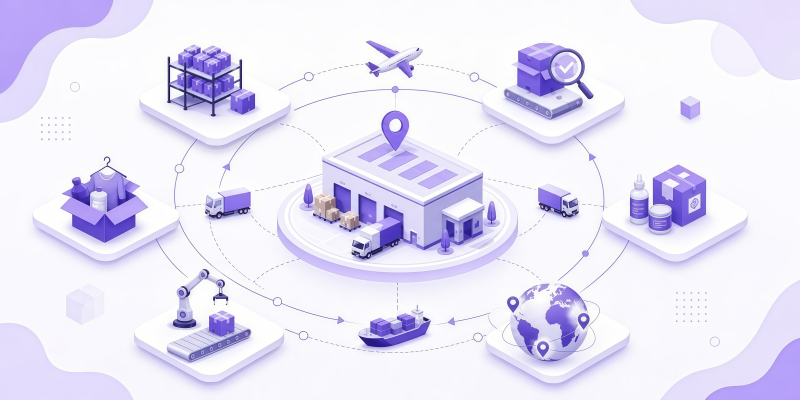
If you're simply testing products, nearly any platform can work. But once you begin processing dozens or hundreds of orders each month, fulfillment quality starts affecting customer reviews, refund rates, and repeat purchases.
That's why many sellers eventually compare CJ Dropshipping with platforms like Zendrop, AutoDS, Spocket, DSers, and TeemDrop. While each solution solves different problems, they differ significantly in pricing models, shipping networks, branding options, and quality control.
This comparison focuses on practical differences instead of marketing claims so you can decide which fulfillment partner best supports your next stage of growth.
CJ Dropshipping: The Baseline
Before looking at alternatives, it's worth understanding why CJ Dropshipping became one of the industry's most popular fulfillment platforms.
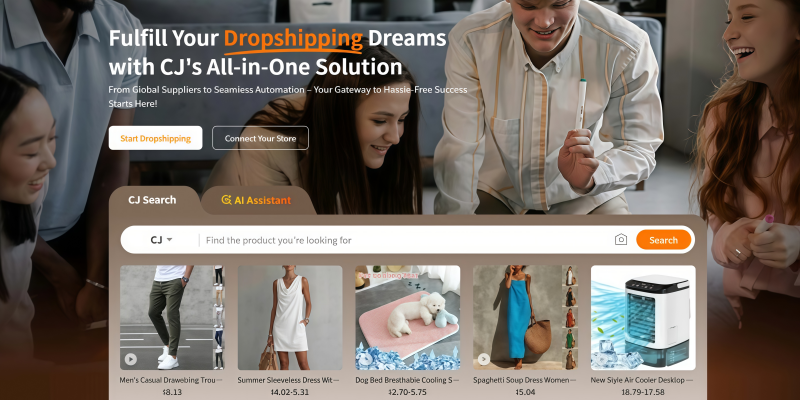
Unlike marketplaces that simply connect buyers and suppliers, CJ combines product sourcing, warehousing, order fulfillment, and print-on-demand services under one platform. Its free-to-start model and enormous catalog have made it a common choice for new Shopify sellers.
Where CJ Dropshipping Excels
- Free to join. There are no monthly subscription fees, making it accessible for beginners.
- Huge product selection. Millions of products across electronics, fashion, home goods, beauty, pet products, and more.
- Global warehouses. Warehouses in multiple countries help reduce shipping times for certain markets.
- Print-on-demand support. Sellers can customize selected products with their own designs.
- Product sourcing service. Users can submit sourcing requests for products not currently listed.
Potential Limitations
While CJ works well for many stores, larger sellers often encounter challenges as order volume increases.
- Product quality can vary between suppliers.
- Shipping speed depends heavily on warehouse location and destination.
- Branding options exist but may require additional coordination.
- Support response times may fluctuate during busy seasons.
- Managing multiple winning products sometimes requires closer supplier oversight.
None of these issues make CJ Dropshipping a poor platform. Instead, they explain why many growing brands eventually evaluate other fulfillment partners that emphasize consistency, automation, or branding.
Zendrop
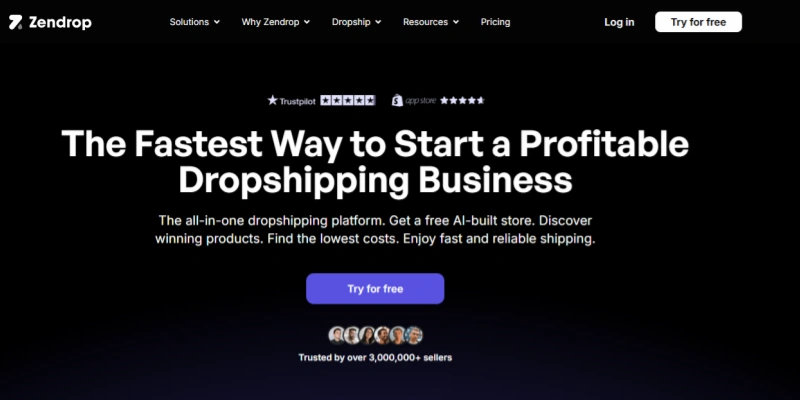
Zendrop has become one of the best-known alternatives to CJ Dropshipping, particularly among Shopify sellers targeting the United States.
Its platform focuses on creating a simpler fulfillment experience with fast domestic shipping, automated order processing, and a clean user interface.
Strengths
- Fast US shipping. Products stocked in US warehouses typically arrive much faster than standard China fulfillment.
- Excellent Shopify integration. Store setup and product importing are beginner-friendly.
- Automated fulfillment. Orders can be processed automatically once connected to Shopify.
- Branding options. Higher-tier plans include custom packaging and branded invoices.
Trade-offs
- Automation requires a paid subscription.[1]
- Plans typically start around USD $49/month.[2]
- The supplier network primarily serves North America.
- International fulfillment is less comprehensive than larger global fulfillment providers.
Best For
Zendrop is ideal for sellers focused primarily on the US market who prioritize fast domestic shipping and are comfortable paying a monthly subscription for automation and convenience.
If your customers are spread across Europe, Australia, Southeast Asia, or other international markets, you may eventually require a fulfillment platform with broader global coverage.
AutoDS
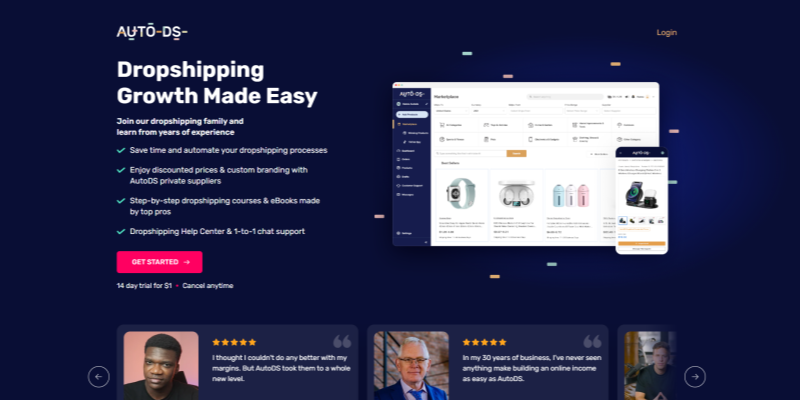
AutoDS is different from every other platform on this list. It's not a supplier or a fulfillment network — it's an automation layer.
Strengths:
AutoDS connects to dozens of existing suppliers, including AliExpress, Amazon, and Walmart, and automates order routing and tracking across all of them. If you already have supplier relationships you trust and want to centralize the management layer, it does that job well. Built-in product research tools are a useful addition.
Trade-offs:
Because AutoDS isn't the supplier, you're adding a subscription cost on top of whatever your suppliers charge. Pricing starts around USD $26.90 per month for basic plans and scales up from there.[3] More importantly, your fulfillment quality is only as good as the underlying suppliers you connect to. AutoDS doesn't control warehousing, quality checks, or shipping. If a supplier ships a bad product, AutoDS can't catch it.
Best fit:
Sellers who have already vetted reliable suppliers and want to automate management across multiple sources. Not the right fit if you want a single, accountable fulfillment partner handling everything end to end.
Spocket
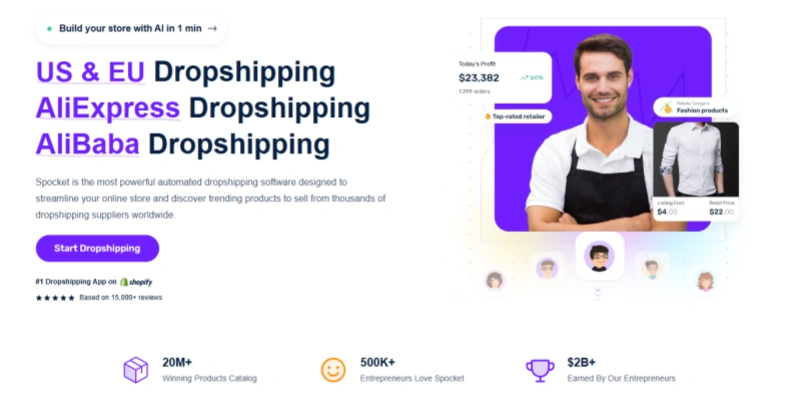
Spocket connects dropshippers with vetted suppliers based in the US and EU, with an emphasis on faster shipping times and stronger product quality than typical open-marketplace sourcing.
Strengths:
Supplier quality on Spocket tends to be higher because suppliers are screened before being listed. Shipping times to US and EU customers are genuinely faster than China-origin fulfillment. The catalog, while smaller, skews toward premium and lifestyle categories that support higher price points.
Trade-offs:
Paid plans start at approximately USD $39.99 per month, and the free tier is too limited for active selling.[4] The catalog is geographically narrow. If you're selling to customers in Southeast Asia, Latin America, or Africa, Spocket's supplier network doesn't serve those markets well. There's no warehousing, no quality control at the fulfillment level, and no custom packaging capability.
Best fit:
Sellers targeting US or EU customers who want faster shipping and are willing to pay a monthly fee for access to vetted suppliers. Less suitable for global stores or sellers who need branded fulfillment.
DSers
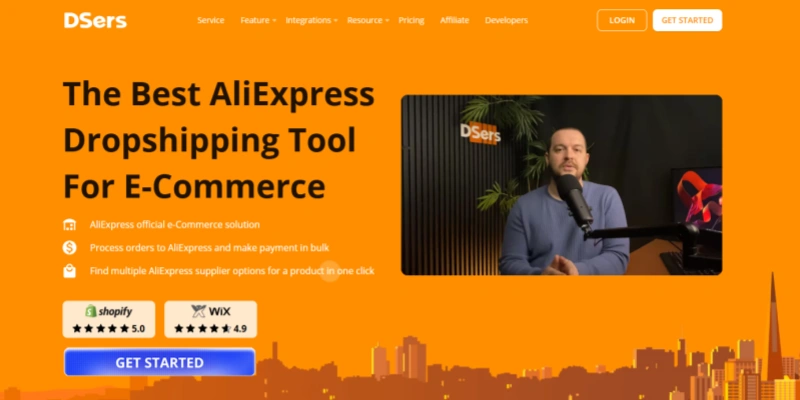
DSers is the official AliExpress order management tool and replaced Oberlo as the default Shopify integration for AliExpress-based dropshipping.[5]
Strengths:
DSers is free for most use cases and handles bulk order processing from AliExpress efficiently. If you're running an AliExpress-based store and want a reliable way to process orders without doing it manually, DSers is the standard tool for that workflow. It's well-documented and widely used, so finding help is straightforward.
Trade-offs:
DSers is entirely dependent on AliExpress. That means shipping times of two to four weeks or more for most destinations, no quality control before shipment, no warehousing, and no custom branding. AliExpress supplier accounts can be suspended or go inactive, which introduces supply chain risk. For sellers who have moved past early testing and want predictable delivery and brand consistency, DSers becomes a constraint rather than a solution.
Best fit:
Beginners testing product ideas with minimal upfront cost. Not well-suited for sellers prioritizing brand building, fast delivery, or consistent quality at scale.
TeemDrop: Fulfillment Built for Growing Stores
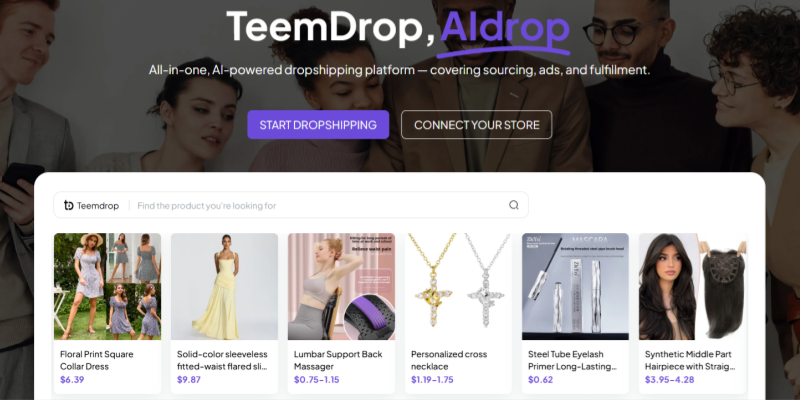
TeemDrop was built for the stage where most dropshippers start feeling the gaps in their current setup. Catalog products start from $0.64, core fulfillment automation is available at no monthly subscription cost, and every order goes through multi-stage quality control for dropshipping before it ships.
Strengths:
The core value proposition is brand-grade fulfillment without the overhead. Orders auto-fulfill the moment a sale hits your store. A global dropshipping fulfillment network covering 200-plus countries means you're not locked into one market. Regional warehouses in key markets cut delivery times without requiring you to manage separate supplier relationships. An AI-powered alert system flags shipping issues before your customers notice them — protecting your store's reputation before problems escalate.
For sellers building a brand rather than just moving products, TeemDrop's native print-on-demand fulfillment platform and custom branded packaging for ecommerce are available within the same platform. No additional tool, no separate supplier relationship required. Shipments are insured, and a 24/7 human support team is available around the clock.
Trade-offs:
The catalog, while curated and quality-checked, is smaller than CJ's. If you need access to millions of SKUs across every imaginable category, CJ's sheer volume is hard to match. TeemDrop is better suited to sellers who have identified their niche and want reliable, consistent fulfillment for a defined product range — rather than unlimited catalog exploration.
Best fit:
Store owners past the early testing phase who want automated fulfillment, consistent quality, global reach, and the option to build a branded product line — all without paying a monthly subscription fee.
Head-to-head breakdowns and sourcing guides are available on the TeemDrop blog.
Platform Comparison
Every fulfillment platform has its own strengths. Some prioritize supplier variety, while others focus on automation, regional shipping, or brand building. Rather than asking which platform is objectively "best," it's more useful to compare the features that have the biggest impact on your business as it grows.
The table below summarizes the major differences between the six platforms discussed in this guide.
| Platform |
Starting Price |
Product Catalog |
Custom Branding |
Global Fulfillment Coverage |
| TeemDrop |
Free to start (pay-per-order, no monthly fee) |
Tens of thousands of customizable products + POD |
Yes (custom packaging, private label, branded inserts) |
Global warehouse network + local fulfillment |
| CJ Dropshipping |
Free to start (pay-per-order) |
Hundreds of thousands + POD |
Yes |
Global warehouse network |
| Zendrop |
From approximately USD $49/month |
Thousands |
Available on higher-tier plans |
Mainly US fulfillment |
| AutoDS |
From approximately USD $26.90/month |
Hundreds of thousands (multi-supplier) |
No |
Depends on connected suppliers |
| Spocket |
From approximately USD $39.99/month |
Thousands (US & EU suppliers) |
Partial |
Mainly North America & Europe |
| DSers |
Free plan available |
AliExpress supplier catalog |
No |
Depends on AliExpress logistics |
For beginners testing products, catalog size and low upfront cost may be the biggest priorities. As stores begin scaling, however, fulfillment consistency, shipping reliability, quality control, and branding usually become far more important than simply having access to millions of products.
Which Platform Fits Which Seller?
Each platform serves a different stage of the ecommerce journey. Here's a quick recommendation based on common business scenarios.
| Seller Type |
Recommended Platform |
| Testing products with minimal investment |
DSers or CJ Dropshipping |
| Selling primarily to US customers |
Zendrop |
| Managing multiple supplier relationships |
AutoDS |
| Premium US & EU products |
Spocket |
| Building a long-term ecommerce brand |
TeemDrop |
It's also worth remembering that many successful ecommerce businesses don't use the same fulfillment solution forever. Sellers often begin with marketplaces while validating products, then migrate to fulfillment partners that offer stronger logistics, better branding support, and more consistent operations as revenue grows.
The Right Tool for Where You Are Now
No platform is the best choice for every seller at every stage. CJ Dropshipping, Zendrop, AutoDS, Spocket, and DSers all serve real needs. The question is whether the platform you're on today still fits the store you're building.
If you've found your products, you're generating consistent sales, and you want fulfillment that protects your brand reputation without adding monthly overhead — it's worth seeing what a purpose-built fulfillment network looks like. Start for free at teemdrop.com.
FAQ
What is the best CJ Dropshipping alternative?
There isn't a single best alternative for every seller. CJ Dropshipping is excellent for testing products with minimal upfront costs, while platforms like Zendrop, AutoDS, Spocket, DSers, and TeemDrop each specialize in different areas such as automation, regional shipping, supplier management, or branded fulfillment.
Is CJ Dropshipping still worth using in 2026?
Yes. CJ Dropshipping remains one of the most popular fulfillment platforms thanks to its free pricing model, extensive product catalog, and global warehouse network. It's especially suitable for new sellers testing multiple products.
Which platform offers the fastest shipping?
Shipping speed depends on where your customers are located. Zendrop performs well for US domestic orders, while Spocket focuses on North American and European suppliers. Platforms with global warehouse networks, including CJ Dropshipping and TeemDrop, provide broader international fulfillment options.
Which platform is best for private label and branding?
If your goal is building a recognizable ecommerce brand, look for fulfillment providers that support custom packaging, branded inserts, print-on-demand, and quality control. These services become increasingly valuable as order volume grows.
Do I need to pay a monthly subscription?
Not always. CJ Dropshipping, DSers, and TeemDrop allow sellers to begin without mandatory monthly subscription fees, while platforms such as Zendrop, AutoDS, and Spocket require paid plans to unlock many of their core features.
Can I switch fulfillment platforms later?
Yes. Many merchants start with one platform while validating products and later transition to another solution that better supports faster shipping, improved branding, or larger order volumes. Migrating fulfillment providers is a common step as ecommerce businesses scale.
References
[1] Zendrop Help Center: Plans, Pricing & Features — https://support.zendrop.com/en/articles/9981459-zendrop-plans-pricing-and-features
[2] Zendrop Pricing — https://www.zendrop.com/pricing/
[3] AutoDS Pricing — https://www.autods.com/pricing/
[4] Spocket Pricing — https://www.spocket.co/pricing
[5] DSers (Shopify App Store) — https://apps.shopify.com/dsers