21+ Best Selling Dropshipping Products for 2026
2026 dropshipping winners ride AI, sustainability, and hyper-convenience. TeemDrop’s 21+ data-backed products + local-warehouse fulfillment beat fads and cheap suppliers. Act now or get crushed.


Need help? Email Us at support@teemdrop.com
 Winning Products21+ Best Selling Dropshipping Products for 2026
2026 dropshipping winners ride AI, sustainability, and hyper-convenience. TeemDrop’s 21+ data-backed products + local-warehouse fulfillment beat fads and cheap suppliers. Act now or get crushed.
The dropshipping gold rush is over. The era of the strategic operator has begun. Chasing last year's best-sellers is a recipe for failure in 2026. Success will belong to those who use data to anticipate markets, not just react to them.
TeemDrop has analyzed millions of data points, from emerging consumer behaviors to global supply chain shifts, to identify the product categories with the highest potential for profitability and growth. This isn't a list of guesses, it's a strategic blueprint!

In this guide, we'll unveil the best selling dropshipping products in 2026 set to dominate, and equip you with the framework to validate any product idea. Stop competing in saturated markets. Start building a future-proof business that thrives next year and beyond.
Still using outdated methods to predict winning products? Wake up. The winners of 2026 are being locked in now—not when everyone else is already selling them and you’re left counting your losses.
What follows is the only real shot you’ve got to get ahead. Follow these steps exactly, and you build a lineup that’s ready to dominate. Skip even one, and you might as well start planning your clearance sale for late 2025.
Run your product list through these four filters—today. The market in 2026 will belong to those who see clearly and act decisively now. So, what’s it gonna be—will you be in the winner’s circle, or just another seller saying, “I knew I should’ve…”?
You think you understand the future of dropshipping? Let’s get real—2026 isn’t about chasing random bestsellers. It’s about riding the five irreversible shifts that are already reshaping consumer behavior. Miss one, and you’ll drown in the sea of irrelevant, low-margin junk. Here’s what’s actually driving demand—and where you should be placing your bets starting today.
AI isn’t some sci-fi fantasy anymore. Your customers don’t just want smart products, they want products that learn and adapt to them. Think smart fridges that suggest recipes, or skincare devices that adjust to your skin in real-time. If you’re not offering something that feels personally tailored, you’re already irrelevant.

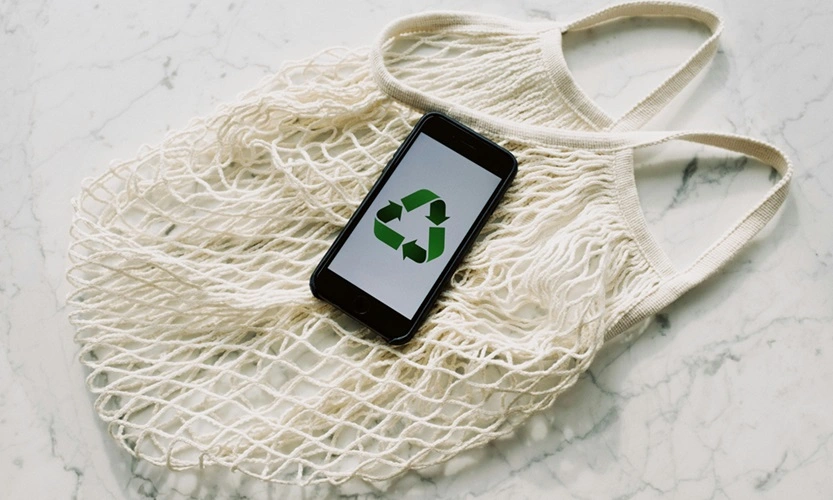
Eco-friendly isn’t a “nice-to-have” anymore—it’s a deciding factor. Millions now actively choose products made from recycled materials, or those designed to cut waste. If your product doesn’t have a sustainability story, you’re losing a huge chunk of the market—and you’ll never earn their trust. Brands that lead here don’t just make sales—they build loyalty.
Time is the ultimate luxury. If your product doesn’t save it, simplify a task, or eliminate a daily annoyance—it’s dead weight. Think one-click kitchen helpers, organization tools that just work, gadgets that deliver instant results. These aren’t just useful—they’re made for social media. Short, satisfying demos go viral. Don’t sell effort—sell ease.
One-size-fits-all health? Gone. People now want solutions tailored to their specific needs—mental clarity, better sleep, posture correction, you name it. If you’re still pushing basic mass-market fitness gear, you’re missing the real demand. Personalized wellness products create emotional connections—and repeat customers. Stop selling what everyone else is. Start solving individual problems.

Digital and physical aren’t separate worlds anymore. Gamers want gear that bridges both—VR accessories, smart lighting that syncs with gameplay, furniture that enhances streaming. This audience is loyal, spends big, and craves immersion. If your product doesn’t connect their online and offline life, you’re not even in the conversation.
These aren’t predictions. They’re already happening. The customers are there. The demand is building. The only question is—will you be there with the right products, or will you be another dropshipper wondering what went wrong?

This isn’t another product list. This is your 2026 survival checklist. While everyone else is busy chasing last year’s bestsellers, you’ll be quietly locking down the categories that will actually make money.
Forget gimmicks. Customers now demand products that adapt to them. If it’s not intelligent, it’s irrelevant.
Eco-friendly isn’t a niche anymore—it’s the entry ticket. If you’re still selling plastic junk, prepare for cart abandonment.
Time is the new currency. These products don’t just organize—they give people back their peace.
One-size-fits-all? Over. Wellness is now hyper-personalized. Sell solutions, not just products.
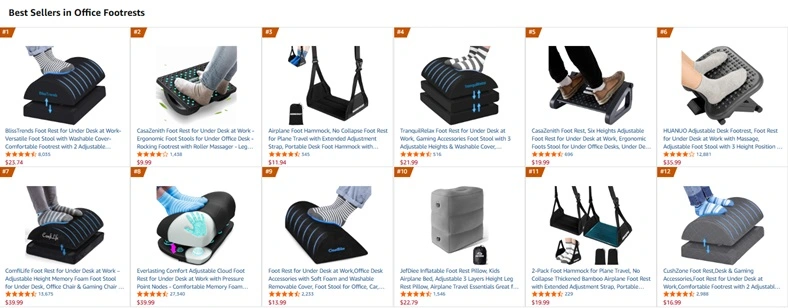
Passionate audiences spend more. These aren’t just products—they’re identity.
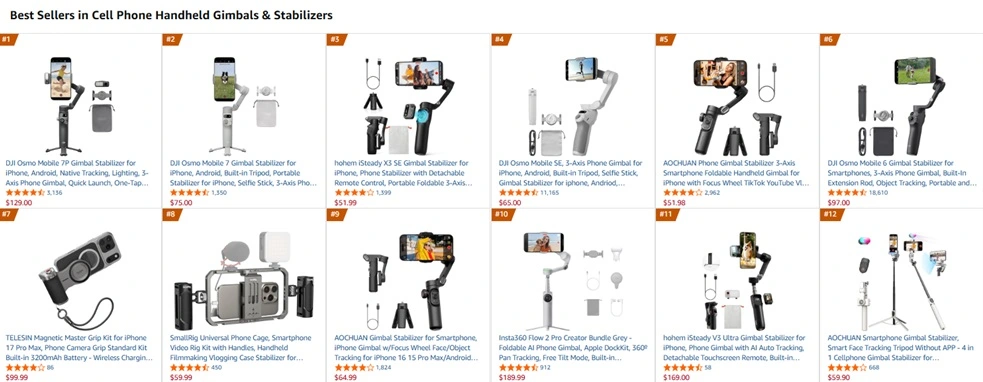
The suppliers are preparing inventory. The winning stores for 2026 are being built today. You can either start sourcing these now, or spend next year selling what’s left. The choice is yours.
You’ve got a “great” product idea? Cute. But unless you’ve validated it, you’re just gambling—and the house always wins. Stop guessing and start pressure-testing. Here’s how to separate the future winners from the profit-killing losers.
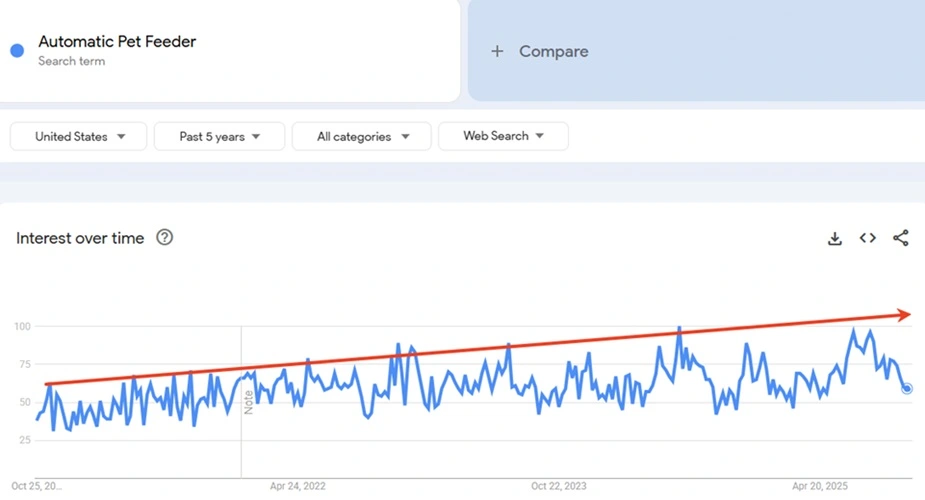
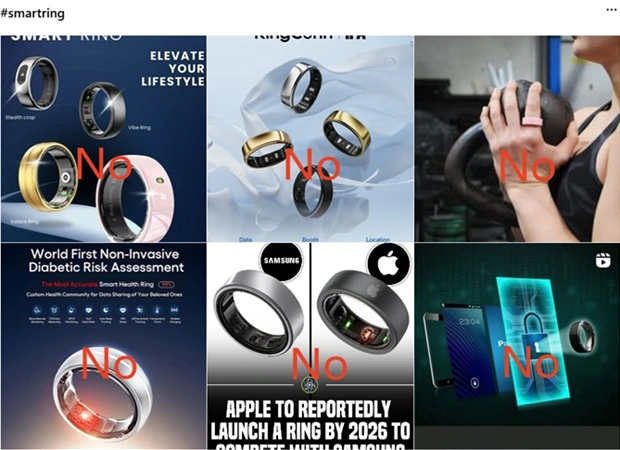
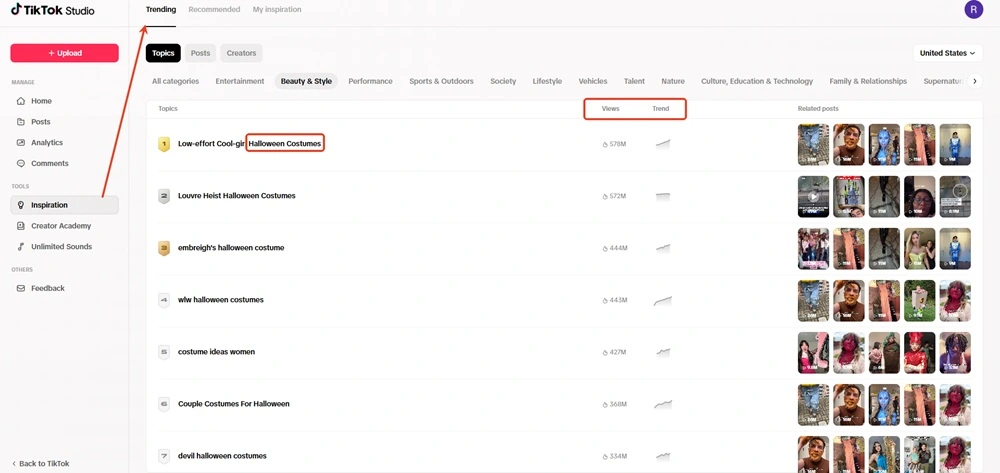
Google Trends isn’t a suggestion—it’s a lie detector. If that product niche isn’t showing steady, year-over-year growth, walk away. Seasonal spikes are traps. Then, get on TikTok Creative Center. Are real people making organic content about this, or is it all paid ads? If you don’t see authentic engagement, there’s no real demand. Stop trying to create a market—ride the wave that’s already forming.
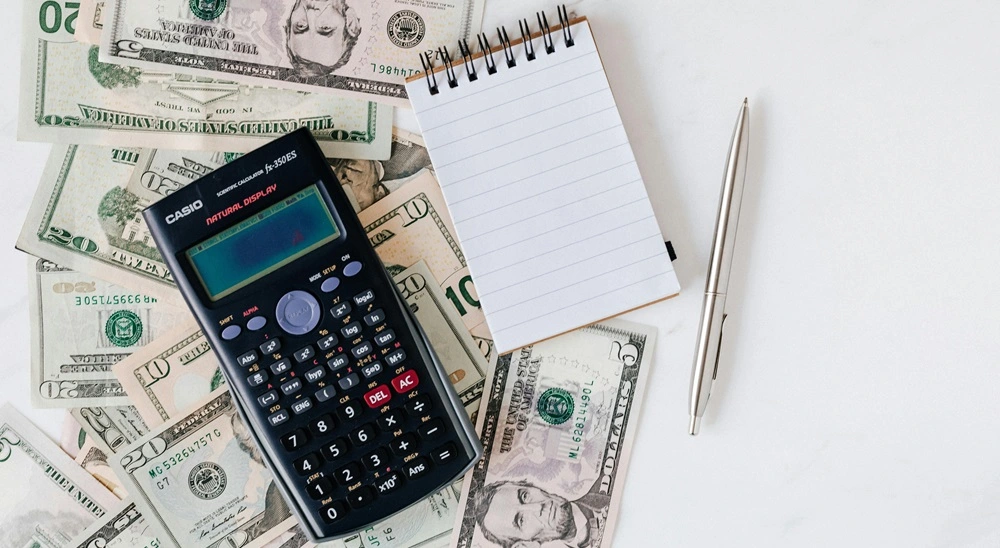
You think you’ve calculated costs? Add everything—product, shipping, ads, transaction fees—then slap on another 20% for surprises. If your final price doesn’t lock in at least 30% profit, scrap it. And if you haven’t lined up at least two reliable suppliers, you’re one production hiccup away from disaster. Your supplier isn’t your friend—they’re a strategic partner. Never put your business in the hands of just one.
Study every competitor selling something similar. Read their reviews—the negative ones are your goldmine. Are customers complaining about slow shipping, bad quality, missing features? That’s your opening. Your competitor’s weakness is your unfair advantage. If they aren’t using video demos, you flood TikTok with them. If their customer service is slow, you offer 24/7 support. Don’t just compete—outplay.
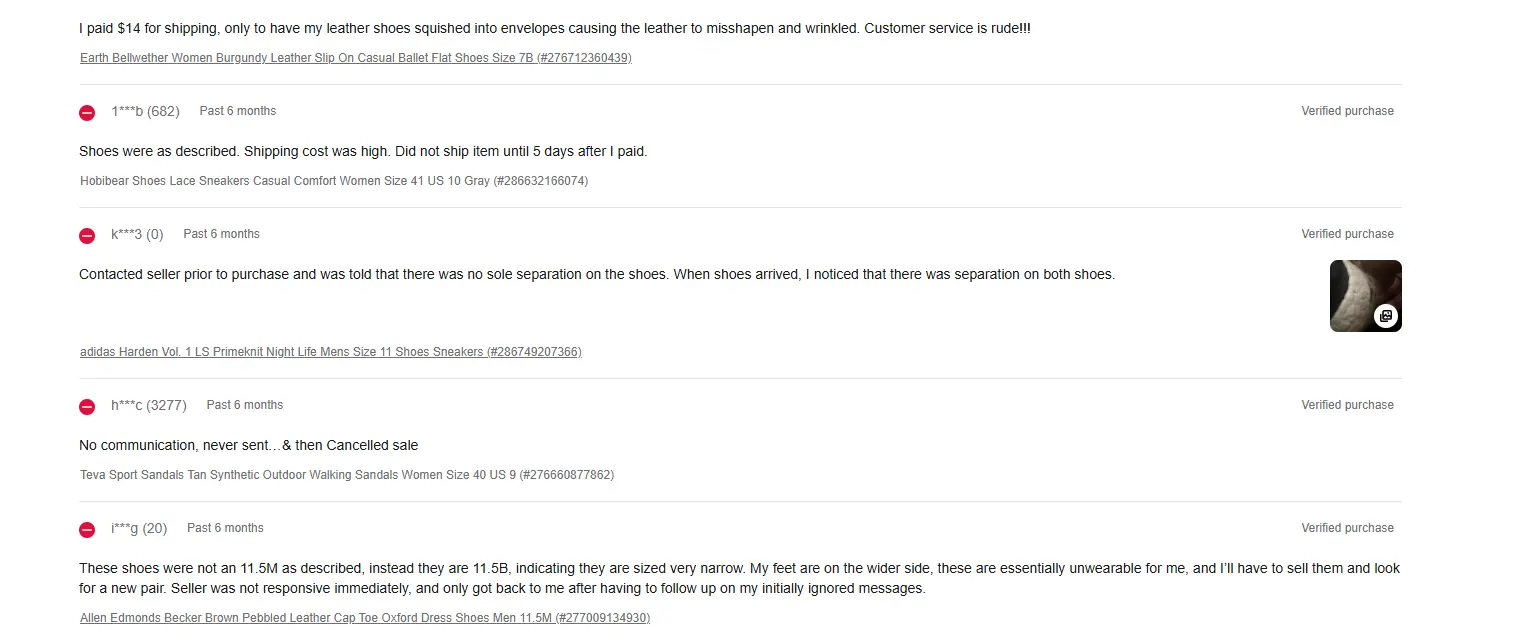
Your supplier isn’t just a vendor, they’re either your secret weapon or the reason your business fails. Choose wrong, and you’ll drown in returns, angry customers, and burned cash. Here’s how to lock down suppliers who won’t screw you over in 2026.
Still scrolling AliExpress hoping for a miracle? Stop. You need a tiered strategy, not luck.
You wouldn’t hire an employee without an interview. So why trust a stranger with your money?
The window to dominate in 2026 is closing fast. You now have the blueprint—the trends, the product list, the validation framework, and the supplier strategy. But this knowledge is worthless if you don’t act. While you hesitate, your competitors are already securing their inventory and building their moats. Become the strategist who seizes this moment, or become the bystander left wondering what went wrong. The market won’t wait for you. Your move.
Right now—not next month, not after the holidays—is when you lock in 2026. Six to twelve months isn't early. It's the bare minimum to test products, build supplier trust, and secure inventory before everyone else realizes what's happening.
Sustainability isn't a niche—it's the new baseline. A growing wave of shoppers actively hunt for brands that align with their values. If your product doesn't have a real eco-story, you're not just missing sales—you're irrelevant to a loyal, high-spending audience.
Selling anything heavy, bulky, or fragile is a straight path to bankruptcy. Let me spell it out: shipping costs will devour your margins, and damage claims will trash your reputation. Stick to what's light, compact, and durable, unless you enjoy losing money.
You don't “hope.” You verify. Order the damn sample—see it with your own eyes. Stalk their reviews, especially the negative ones. And if they can’t offer branded packaging or clear invoicing, they’re amateurs.