How to Dropship From China to Canada: A Step-by-Step Guide
You find a product with potential, build an online store, and start targeting Canadian customers. But if your supplier is in China, there is more to manage than simply listing the product.
You need to research demand, find a reliable supplier, check product quality, choose a shipping method, and make sure orders reach customers smoothly.
That is where TeemDrop fits into the process. It helps connect important parts of a dropshipping workflow, including product sourcing, quality control, and automated fulfillment.
Canada remains an active ecommerce market. Online retail sales accounted for 6.1% of total Canadian retail sales in December 2024, according to the U.S. International Trade Administration's Canada ecommerce market overview.[1]
This guide explains how to dropship from China to Canada step by step, with a focus on sourcing and fulfillment.
Quick Answer
To dropship from China to Canada, research products for Canadian customers, source them from reliable suppliers, check product quality, choose a shipping method, and set up a reliable fulfillment process.
Key Takeaways
- Research Canadian demand before choosing a product.
- Consider product size and shipping costs
- Work with reliable suppliers or a dropshipping sourcing agent.
- Build quality control into your fulfillment workflow.
- Test shipping before scaling your store.
- Use automation as order volume grows.
How Does Dropshipping From China to Canada Work?
Dropshipping from China to Canada is straightforward:
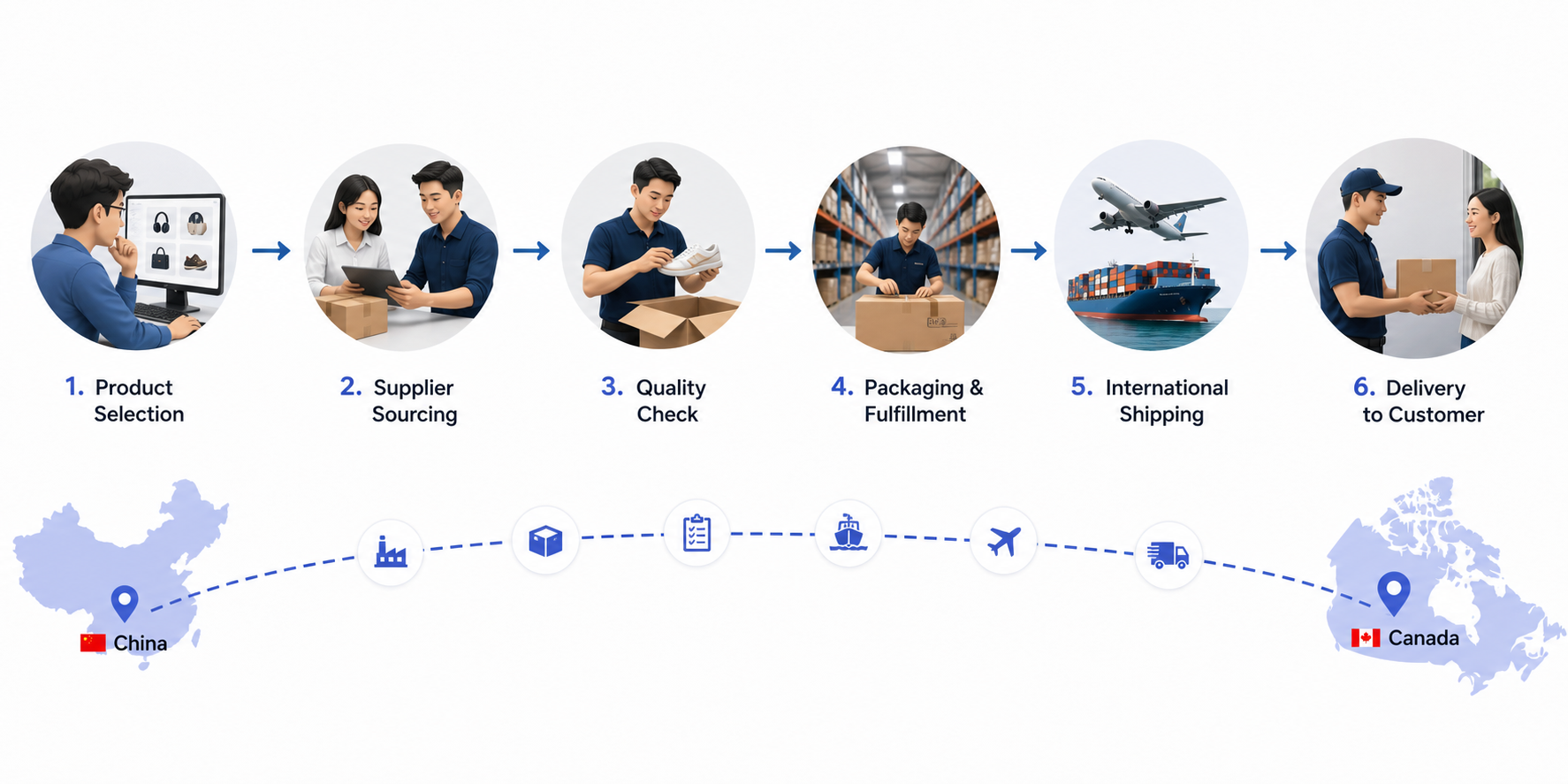
Research products → Source products from China → Check product quality → Choose a shipping method → Process customer orders → Fulfill and deliver to Canada
As a seller, you focus on finding products, building your store, and attracting customers. Your supplier or fulfillment partner handles the physical side of the business.
However, each step affects the next one.
For example, a product may look profitable during research, but its large size could make international shipping expensive. A supplier may offer a low price, but poor quality can lead to refunds and unhappy customers.
That is why successful China dropshipping requires more than finding the cheapest product. You need a connected process from product research to delivery.
Step 1: Research Product Demand in Canada
Before sourcing a product, ask a simple question:
Does this product make sense for Canadian customers and international fulfillment?
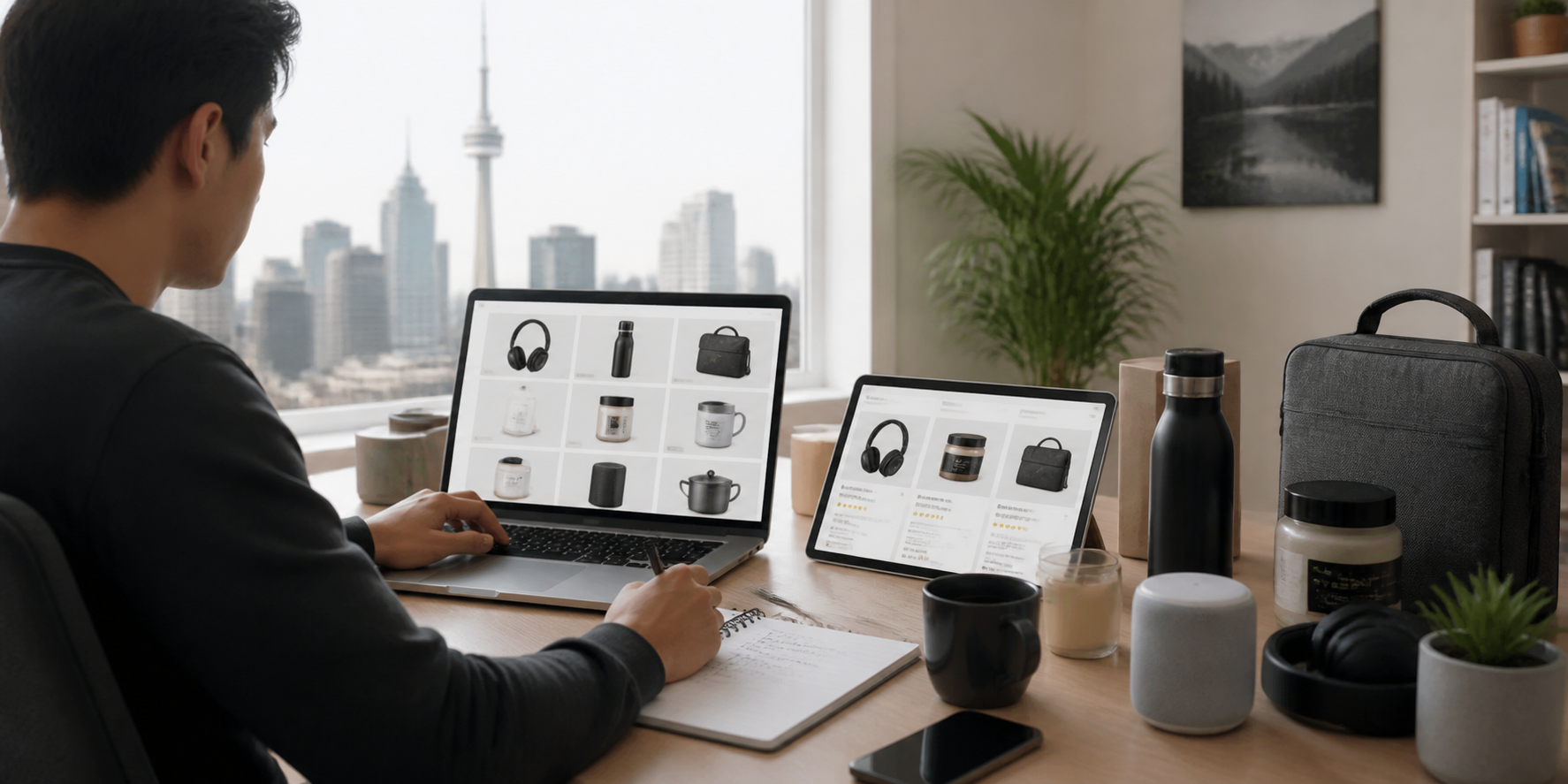
Look at Canadian Consumer Demand
Start by researching whether people are interested in the product.
Look at:
- Search demand
- Competitor products
- Customer reviews
- Social media trends
- Seasonal buying patterns
Canada's ecommerce market includes strong demand across categories such as electronics, fashion, and toys.[1] Statistics Canada also reported that retail ecommerce sales reached C$73.7 billion in 2024, up 9.0% from the previous year.[2]
However, popularity alone does not make a product suitable for dropshipping. You also need to consider competition, shipping costs, and potential margins.
Consider Product Size and Shipping Costs
This is especially important when products travel from China to Canada.
Before choosing a product, consider:
- Weight
- Package dimensions
- Fragility
- Packaging requirements
- Potential shipping costs
A lightweight product may be easier and cheaper to ship than a bulky item with a similar selling price.
Consider shipping costs before choosing a product. A product with a low supplier price may still be difficult to sell profitably if it is expensive to ship.
Use AI to Speed Up Product Research
Manual product research can take a lot of time, especially when sellers are trying to identify winning products for dropshipping.
AI product research can help organize information and speed up the early research process.
For example, TeemDrop combines dropshipping ai tools with product sourcing, helping sellers move more efficiently from product discovery to sourcing.
AI can help you research faster, but it should not replace your judgment. Always review the product, target customer, costs, and competition before making a decision.
Step 2: Source Products From Reliable Chinese Suppliers
Once you have identified a potential product, the next question is:
Where will the product come from?
Find Chinese Suppliers for Dropshipping
There are many ways to find suppliers in China, including supplier marketplaces, manufacturers, wholesalers, and sourcing services.
When comparing suppliers, look beyond the product price. Consider:
- Product availability
- Communication quality
- Product consistency
- Order processing ability
- Experience with international orders
A low price is not useful if the supplier creates quality problems or fulfillment delays.
Work With a Dropshipping Sourcing Agent
Finding and communicating with multiple suppliers can become time-consuming, especially for beginners.
A dropshipping sourcing agent or sourcing service can help simplify this process by assisting with:
- Product sourcing
- Supplier communication
- Product comparisons
- Pricing coordination
- Fulfillment preparation
This can be particularly useful when you want to focus more on your store and customers rather than managing every supplier conversation.
TeemDrop supports product sourcing as part of a broader workflow, connecting sourcing with quality checks and fulfillment instead of treating them as completely separate tasks.
Request Product Samples
Before selling a new product, consider ordering a sample.
A sample helps you evaluate the actual product, including its materials, functionality, appearance, and packaging. It can also help you identify problems before customers do.
However, one successful sample does not guarantee that every future order will be identical. Ongoing quality control is still important as order volume grows.

Step 3: Check Product Quality Before Selling
Quality problems can be difficult to manage in international dropshipping.
If a customer in Canada receives a damaged or incorrect product, returns and replacements may become more expensive and complicated.
Why Supplier Photos Are Not Enough
Product photos are designed to show a product at its best.
They may not reveal:
- Small cosmetic defects
- Inconsistent materials
- Packaging issues
- Functional problems
- Incorrect product variations
This is why product sourcing and product verification should be treated as different steps.
Finding a supplier means identifying where the product can come from. Quality control means checking whether the product and order meet the expected standard.
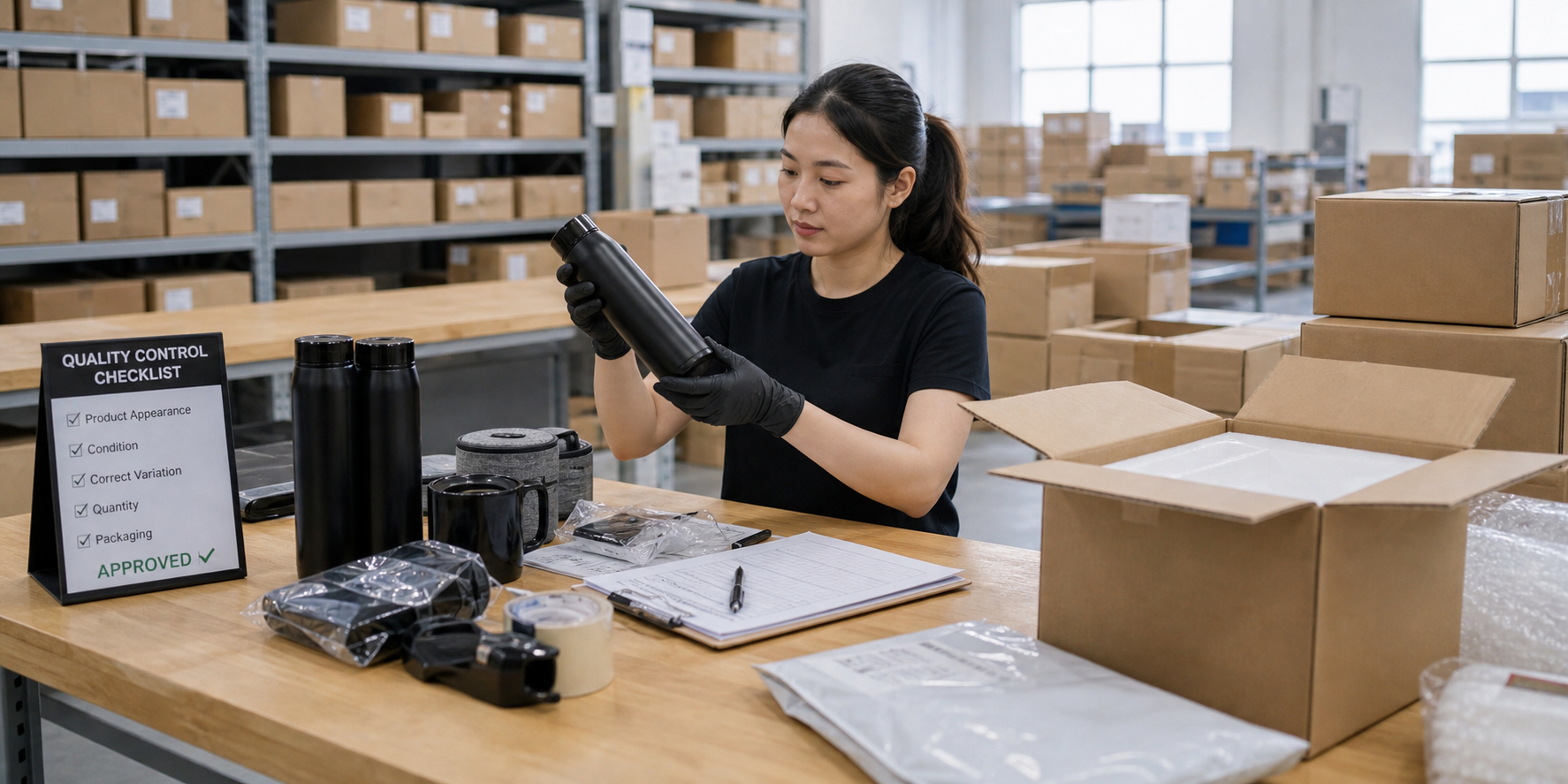
What Should Be Checked?
Quality checks should focus on whether the product matches the expected order. Depending on the product, this may include:
- Visible defects
- Product functionality
- Correct color or variation
- Correct quantity
- Packaging condition
The exact checklist should depend on the product category.
Build Quality Control Into Your Fulfillment Process
Quality control should not only happen when you first choose a product.
As your store grows, product consistency becomes an ongoing issue.
A fulfillment workflow with built-in checks can help identify problems before products leave for customers. TeemDrop's Quality Control process includes pre-shipment inspections, visual confirmation, defect checks, and order verification.
For cross-border sellers, this creates an important checkpoint between sourcing and delivery.
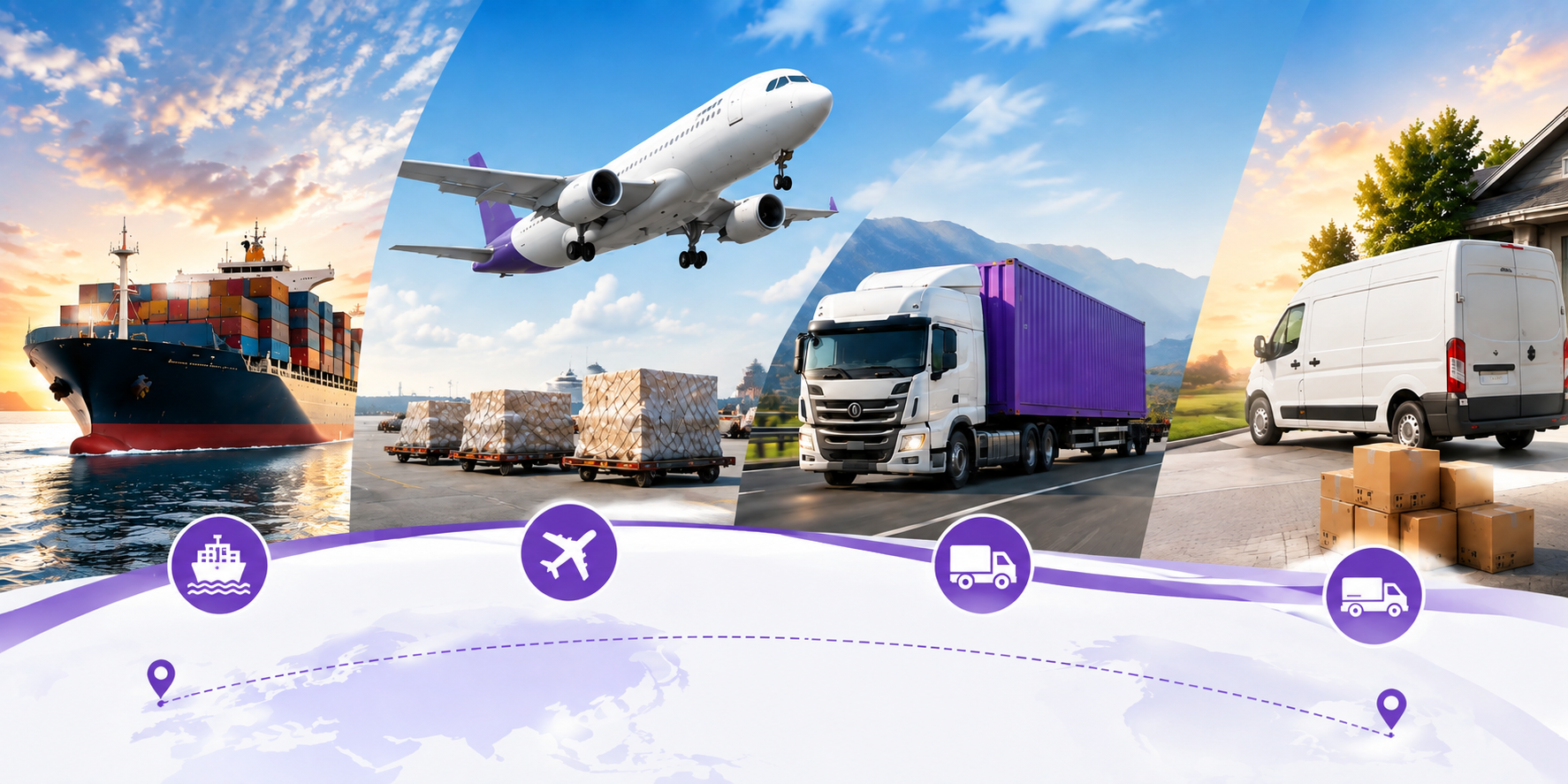
Step 4: Choose the Right Shipping Method From China to Canada
Shipping is one of the biggest parts of the customer experience.
The right shipping option depends on the product, destination, cost, and customer expectations.
Standard Shipping vs Faster Shipping
Standard shipping may offer lower costs, while faster shipping may provide a better delivery experience for customers who expect quicker service.
There is no single best option for every product.
When comparing shipping methods, consider:
- Shipping price
- Estimated delivery time
- Tracking availability
- Product size
- Reliability
Instead of promising the fastest possible delivery, focus on setting realistic expectations.
Consider the Customer Experience
Shipping affects more than your costs. It also shapes the customer experience.
Give customers clear delivery estimates, shipping information, and tracking updates when available. Realistic expectations can reduce unnecessary support requests, even when delivery times vary.
Test Shipping Before Scaling
Before spending heavily on advertising, test the complete fulfillment journey.
You can:
- Place a test order.
- Check processing time.
- Review shipping and tracking.
- Inspect the final packaging.
- Evaluate the overall customer experience.
This allows you to find problems before hundreds of customers encounter them.
Step 5: Set Up a Reliable Fulfillment Process
After a customer places an order, several steps need to happen correctly.
What Happens After a Customer Places an Order?
A typical dropshipping fulfillment workflow looks like this:
Customer places an order
↓
Order information is processed
↓
The product is prepared
↓
Quality checks are completed
↓
The order is packed
↓
The package is shipped
↓
Tracking information is updated
The more disconnected these steps are, the more manual work the seller may need to manage.
Manual Fulfillment vs Automated Fulfillment
With manual fulfillment, sellers may need to repeatedly send order information, communicate with suppliers, and update orders.
This can work when order volume is low.
As sales increase, manual processes can create more opportunities for:
- Missed orders
- Data entry mistakes
- Delayed processing
- Repetitive work
Automated dropshipping can reduce repetitive tasks by helping connect store orders with the fulfillment workflow.
Automation does not mean you should stop monitoring your business. You still need to review products, customer feedback, and fulfillment performance.
How Auto Fulfill Can Simplify Order Processing
When your store receives more orders, processing every order manually becomes harder to manage.
An Auto Fulfill workflow can automatically synchronize order information and move orders into the fulfillment process.
TeemDrop's Auto Fulfill service connects store orders with automated processing and fulfillment, helping sellers reduce repetitive order management as their stores grow.
The main benefit is not simply automation itself. It is creating fewer disconnected steps between a customer placing an order and receiving the product.
Common Challenges When Dropshipping From China to Canada
| Challenge |
Why It Happens |
What You Can Do |
| Shipping delays |
International logistics can vary |
Test routes and set realistic expectations |
| Quality issues |
Supplier consistency can vary |
Use samples and quality checks |
| High shipping costs |
Large or heavy products cost more to ship |
Consider logistics during product research |
| Manual order processing |
More orders create more repetitive work |
Use automation tools to streamline order processing |
How Much Does It Cost to Dropship From China to Canada?
| Cost Type |
What It May Include |
| Product cost |
Supplier price |
| Shipping cost |
International delivery |
| Fulfillment cost |
Order processing and packaging |
| Duties and taxes |
Applicable import duties and taxes |
| Store cost |
Ecommerce platform and apps |
| Marketing cost |
Advertising and promotion |
Depending on how your products enter Canada and who is responsible for the import, duties and taxes may also affect your total costs. Canadian government guidance notes that imported goods can be subject to GST/HST and, depending on the product and circumstances, customs duties.[3]
The exact responsibility can vary based on the product and import arrangement, so sellers should check the relevant requirements before setting their final pricing.
How to Build a More Efficient China-to-Canada Dropshipping Workflow
A reliable China-to-Canada dropshipping workflow connects the key stages of your business:
Product Research → Sourcing → Quality Control → Order Processing → Fulfillment → Delivery
Managing each stage separately can create unnecessary manual work as your store grows. TeemDrop helps connect product research, sourcing, quality control, and fulfillment in a more streamlined workflow.
Start by building a reliable process, testing your products and shipping options, and automating repetitive tasks when your order volume increases.
FAQ
Can I dropship from China to Canada?
Yes. You can source products from Chinese suppliers and sell them to customers in Canada. However, you should carefully manage supplier reliability, product quality, shipping costs, delivery expectations, and fulfillment.
How long does shipping from China to Canada take?
Delivery time depends on the shipping method, carrier, product location, and destination. Test your shipping process before scaling and provide customers with realistic delivery estimates.
How do I find products to dropship from China?
You can research product trends, customer demand, competitors, and product reviews. After identifying a potential product, you can search supplier platforms or work with a sourcing service.
Do I need a dropshipping sourcing agent?
Not always. You can contact suppliers directly, but a sourcing agent can help simplify supplier communication, product sourcing, and fulfillment coordination.
How can I reduce problems with China-to-Canada dropshipping?
Focus on the complete workflow. Research products carefully, test samples, check product quality, review shipping options, and automate repetitive fulfillment tasks as your order volume grows.
Conclusion
Learning how to dropship from China to Canada is about more than finding low-cost products.
You need to understand the complete journey from product research to customer delivery.
Start by researching products that fit your target market and shipping model. Find reliable sourcing options, check product quality, test shipping, and build a fulfillment process that can grow with your store.
TeemDrop can help connect these stages, making it easier to move from product sourcing to quality control and automated fulfillment without managing every part of the process separately.
References
[1] International Trade Administration — Canada eCommerce
International Trade Administration: Canada eCommerce
[2] Statistics Canada — Annual Retail Trade, 2024
Statistics Canada: Annual Retail Trade, 2024
[3] Canada Revenue Agency — GST/HST on Imports
Canada Revenue Agency: GST/HST on Imports and Exports