About TDBusiness InsightIs Dropshipping Still Profitable in 2026?
Is Dropshipping Still Profitable in 2026?
AI-driven dropshipping in 2026 enables smarter sourcing, pricing, and fulfillment decisions. By reducing manual work and improving accuracy, AI helps stores scale profitably with greater control and stability.
Is Dropshipping Still Profitable in 2026?
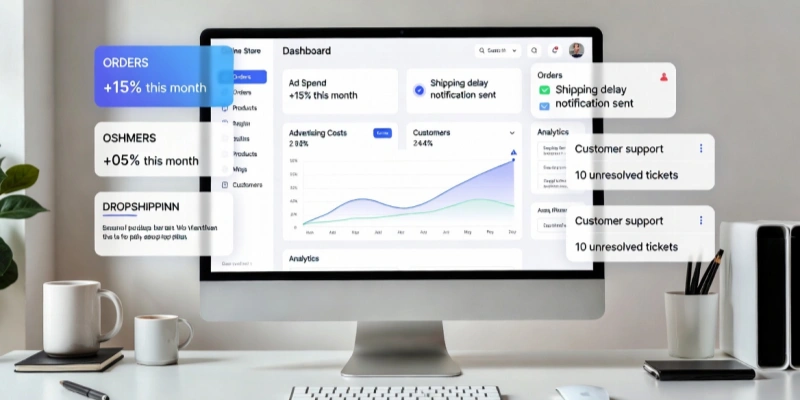
You open your ad dashboard and notice the cost per click is higher than last month. A customer message comes in asking why the package hasn’t arrived yet. Meanwhile, the selling platform sends another warning about delivery issues.
By 2026, this has become a familiar situation for many dropshipping sellers.
Ads cost more than before. Customers are less patient about delivery times. Selling platforms are stricter when problems come up. A lot of people are asking the same thing these days: Is dropshipping still worth doing in 2026, or is the window closed? The answer is pretty straightforward. Dropshipping isn’t dead, but it’s not the quick cash it used to be. The ones still making decent money aren’t relying on the same tricks that worked a few years ago.
This article explains why dropshipping feels harder now, what has changed by 2026, and what actually helps sellers stay profitable in today’s market.
Short Answer: Yes, Dropshipping Is Still Profitable in 2026
Yes, dropshipping can still make money in 2026—but only if it’s done the right way.
The old approach doesn’t work anymore. Launching random products, relying on cheap ads, and handling orders by hand leaves too much to chance and breaks easily once something goes wrong.
Sellers who are doing well today focus on keeping things steady— from Product Sourcing to fulfillment and delivery control. They choose reliable products, care about shipping speed, and set up processes that reduce mistakes. Instead of rushing for quick money, they create stores that run smoothly for years.
Bottom line: dropshipping still works, but it pays off for those who prepare well and stay in control—not the ones cutting corners.
Why Dropshipping Feels Less Profitable Than Before
Many sellers feel frustrated because the results they expected never show up. That doesn’t mean dropshipping no longer works. It simply means the market isn’t the same as before.
Higher Advertising Costs Reduce Margins
Advertising costs have gone up, and even small ad tests now need more thought. You can’t just turn on ads and hope for quick wins anymore.
When ad costs rise, problems show up fast. A store might still get visitors, but profits disappear once refunds, delays, and customer complaints start coming in.
Higher costs prompt sellers to reassess the entire process, not just the number of orders they receive. Sales numbers alone no longer tell the full story.
Slow Shipping Hurts Conversion and Trust
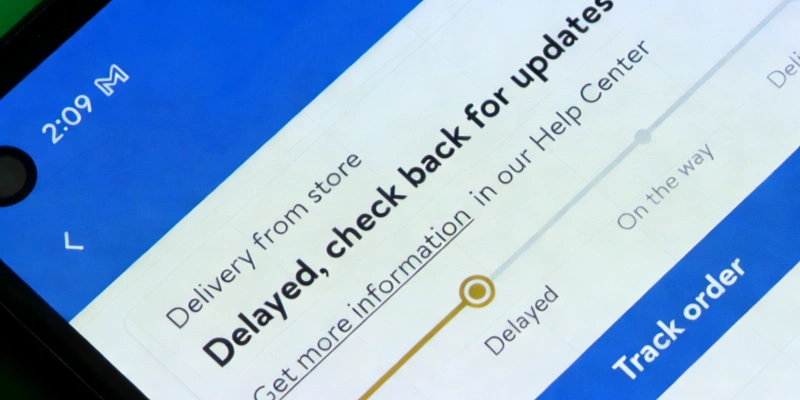
Shipping speed and clarity matter more than ever. Customers don’t just want fast delivery; they want to know what to expect.
When delivery times are unclear or inconsistent, people hesitate to buy. Others place orders but later request refunds when packages take too long.
Slow shipping without predictable Local Fulfillment doesn’t just affect one order. It affects trust in the entire store.
Product Quality Issues Lead to Refunds
Refunds can really hurt your profits. When products arrive broken or just cheap and disappointing, customers complain, leave bad reviews, and file disputes to get their money back.
In 2026, platforms react more quickly to these issues. A high refund rate can lead to restrictions or even account problems.
Handling orders manually might work for a few sales a day. But as volume increases, mistakes increase too.
Manual processes also make it harder to see real costs and track performance. Without clear systems, sellers lose control as they grow.
What Has Changed in Dropshipping by 2026
Dropshipping itself hasn’t disappeared. What has changed is how the market works.
Customer Expectations Are Higher Than Ever
Customers now compare dropshipping stores to regular online brands. They expect clear communication, tracking updates, and reliable service.
Even if prices are lower, a poor experience can quickly drive customers away.
Platforms Enforce Stricter Fulfillment Rules
Marketplaces and payment providers are more focused on buyer protection. Late shipping and frequent complaints are taken seriously.
Stores with unstable fulfillment face higher risks than before.
Dropshipping Now Resembles Lightweight E-commerce
By 2026, dropshipping will feel more like running a regular online store. You might not hold the products yourself, but you still need to pay attention to things like who you work with, how orders ship, and whether the products meet expectations.
It’s no longer just about reselling products. It’s about running a small, efficient online business that works smoothly day to day.
Keys to Staying Profitable in Dropshipping in 2026
Profit now comes from consistency and control. These are the main factors that help sellers succeed.
Products That Solve Real Problems, Not Just Trends
Trend products can bring quick sales, but they rarely last. Once demand fades, sellers must start over.
Products that solve everyday problems tend to stay relevant longer and require less constant testing.
Reliable and Consistent Product Sourcing
Changing suppliers too often can lead to delays and mixed product quality. Keeping things consistent helps avoid many common issues.
When suppliers are dependable, sellers can plan more confidently and run into fewer surprises.
Predictable and Faster Fulfillment
Predictable shipping builds trust, especially when supported by Smart Inventory Allocation. Customers are more patient when delivery times are clear and accurate.
Faster fulfillment also reduces support requests and refund rates.
Quality Control Before Shipping
Checking products before they ship can prevent a lot of issues. Fixing problems early is much easier than handling angry customers later.
Basic quality checks help protect both your profits and your store’s reputation.
Automation Instead of Manual Workflows
Using tools to handle routine work saves time and reduces mistakes. Orders move faster, and there’s less time spent fixing small errors.
It also makes it easier to handle more orders as the business grows.
Clear Profit Margins After All Hidden Costs
Many sellers focus only on product cost and ads. But refunds, delays, and support all affect real profit.
Understanding total costs helps sellers make better decisions.
Customer Experience and Post-Purchase Communication
Clear order updates reduce anxiety and complaints. Even when delays happen, honest communication keeps customers calm.
Good experience often matters more than price.
How TeemDrop Fixes These Exact Bottlenecks in 2026
Most dropshipping challenges come from weak systems, not bad ideas. This is where TeemDrop plays a role.
AI-Assisted Product Sourcing
TeemDrop helps sellers find products with more stable demand and supply. This reduces guesswork and lowers testing costs.
Integrated Warehousing and Fulfillment
AI-powered warehouses handle storage and shipping together. They help cut down on delays, wrong shipments, and mistakes even as orders grow. This keeps things steady and reduces wait times.
Built-In Quality Inspection
Products can be checked before shipping. This lowers refund rates and improves customer satisfaction.
End-to-End Automation for Scaling
Orders run automatically from start to end. Catching small issues early means fewer returns and happier customers.
Is Dropshipping Still Worth Starting in 2026 for Beginners?
Of course, yes! Just don’t go in expecting it to be easy or fast money.
Why the Old "tart for Free" Model Is Riskier
Starting with no structure often leads to higher long-term costs. Mistakes become expensive once ads and refunds add up.
Why Beginners Need Systems, Not More Tools
Too many tools create confusion. A clear system is easier to learn and manage, especially for beginners.
The Gap Between Beginners and Veterans Is Shrinking
Good systems reduce the need for years of experience. With the right setup, beginners can avoid many common mistakes early.
FAQ
Is dropshipping dead or just harder in 2026?
Dropshipping is not dead. It’s harder because standards are higher and mistakes cost more.
What is the biggest mistake dropshippers make in 2026?
Using outdated workflows and ignoring fulfillment quality. Most failures come from poor execution.
Do I need a fulfillment partner to succeed in dropshipping in 2026?
It’s not required, but it helps a lot. Many profitable sellers work with fulfillment partners like TeemDrop to keep better control over shipping, product checks, and order handling. This kind of setup reduces surprises, saves time, and makes it easier to grow without constant issues.
So, is dropshipping still profitable in 2026? Yes! But only for those sellers who can adapt to change.
The easy shortcuts are gone. What remains is a model that rewards planning, consistency, and control. Dropshipping now works best when it’s treated like a real business.
For sellers who want a more stable way to operate, platforms like TeemDrop provide a structure designed for how dropshipping actually works in 2026.
Related Articles
No data available.
More winning products. More sales opportunities. More profits.
Join Teemdrop's VIP community for expert insights, global bestsellers, business roundtables, and exclusive business opportunities to grow your eCommerce profits.