Dropshipping Platform Pricing Compared: TeemDrop, AutoDS, and CJdropshipping
Choosing a dropshipping platform is about more than finding the lowest price. TeemDrop, AutoDS, and CJdropshipping are three popular options for Shopify sellers, but they use very different pricing models. Some rely on subscriptions, while others focus on service-based or pay-as-you-sell pricing. The right choice depends on your business goals, budget, and growth plans.
For Shopify sellers, understanding these pricing models can help avoid unexpected costs and make scaling easier. Platforms like TeemDrop, for example, use a pay-as-you-sell approach instead of requiring a monthly subscription, offering another option for sellers who want flexible operating costs.
In this guide, we'll compare the pricing models of the most popular dropshipping platforms and explain what sellers should consider before choosing one.
Quick Comparison of Dropshipping Platform Pricing
| Platform |
Pricing Model |
Monthly Fee |
Best For |
| TeemDrop |
Pay-as-you-sell |
No |
Sourcing & fulfillment |
| AutoDS |
Subscription |
Yes |
Automation |
| CJdropshipping |
Service-based |
No fixed subscription |
Flexible sourcing |
There is no universal pricing model for dropshipping. Each platform is designed for different business needs.
Why Shopify Sellers Compare Dropshipping Platform Pricing
A few years ago, many dropshippers focused on finding winning products.
Today, sellers pay much closer attention to operating costs.
As ecommerce continues to grow, competition is increasing, and business owners are looking for ways to improve profit margins. According to CJdropshipping, global ecommerce sales are expected to continue growing in the coming years, creating more opportunities for online entrepreneurs.
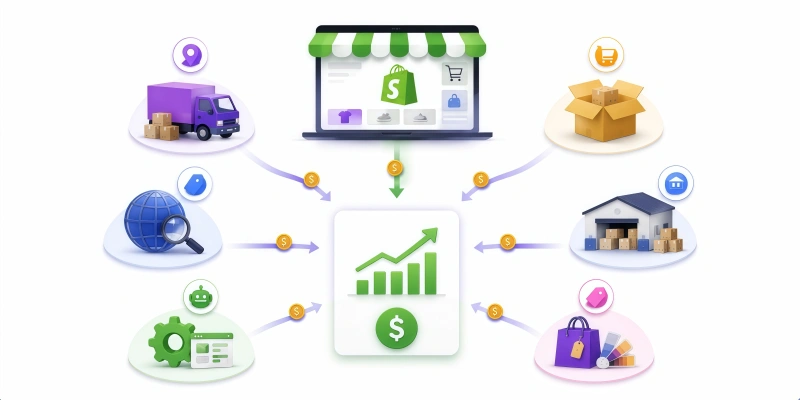
At the same time, running a Shopify store involves more than product costs.
Sellers may need to pay for:
- Product sourcing
- Automation tools
- Shipping
- Warehousing
- Branding
- Order fulfillment
- Inventory management
Because of this, many business owners compare pricing across dropshipping platforms before choosing a supplier or fulfillment partner.
The goal isn't simply to find the cheapest platform.
It's about finding a pricing model that matches how they want to run their business.
Why Comparing Dropshipping Platform Pricing Isn't Easy
Many new sellers search for terms like:
- AutoDS pricing
- CJdropshipping pricing
- TeemDrop pricing
The problem is that these platforms don't offer the same services.
Some focus on automation.
Others specialize in sourcing products directly from manufacturers.
Some build supplier networks.
Others combine sourcing, fulfillment, and logistics into one platform.
This means comparing only the monthly fee can be misleading.
For example:
A subscription platform may include advanced automation.
A service-based platform may charge for optional services instead of membership.
A pay-as-you-sell platform may avoid fixed costs altogether.
Understanding these differences can help sellers make better decisions and avoid unexpected expenses later.
Understanding Common Dropshipping Pricing Models
Most dropshipping platforms fall into three common pricing structures.
Knowing how they work makes comparing platforms much easier.
Subscription Model
Subscription platforms charge a recurring monthly fee.
In return, sellers gain access to automation tools and platform features.
This model often includes:
- Product imports
- Inventory syncing
- Order automation
- Price monitoring
AutoDS and Zendrop are examples of platforms that use subscription-based pricing.
This approach can work well for businesses that value automation and expect consistent order volumes.
Service-Based Model
A service-based pricing model does not rely on standard monthly subscriptions.
Instead, sellers pay for the services they use.
These services may include:
- Product sourcing
- Warehousing
- Shipping
- Private labeling
- Order fulfillment
CJdropshipping is one example of this approach.
For sellers who need flexible sourcing solutions, service-based pricing can offer more customization.
Pay-As-You-Sell Model
A newer approach is the pay-as-you-sell model.
Instead of charging recurring subscription fees, platforms focus on actual business activity.
TeemDrop combines this pricing structure with automated order fulfillment.
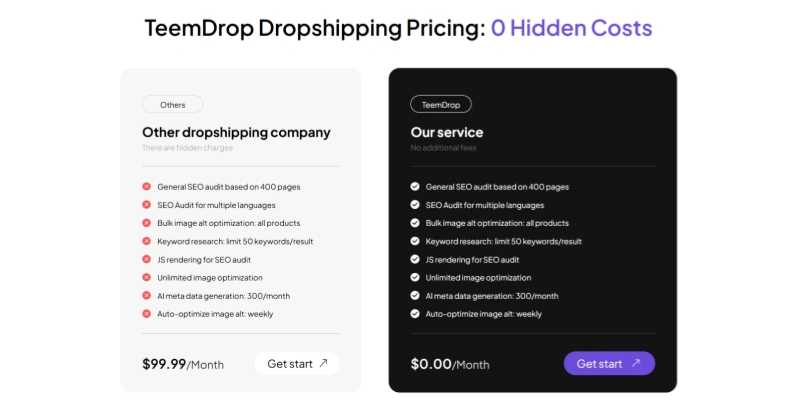
There are no monthly subscriptions for platform access. Sellers pay for products and fulfillment services as orders are placed.
For businesses testing products or managing cash flow carefully, this model can provide greater flexibility.
TeemDrop Pricing Model
TeemDrop takes a different approach from many traditional dropshipping platforms.
Instead of building its pricing around monthly subscriptions, TeemDrop focuses on a pay-as-you-sell model that combines sourcing and fulfillment into one workflow.
According to TeemDrop pricing, sellers can use the platform without paying monthly subscription fees or setup costs.
TeemDrop provides services including:
- Product sourcing
- Order fulfillment
- Global shipping
- Quality control
- Warehouse support
- Store integration
- Automation tools
Best For
TeemDrop may be a good fit for sellers who:
- Want to avoid recurring platform fees
- Need sourcing and fulfillment in one place
- Test multiple products
- Prefer flexible operating costs
- Run Shopify businesses with long-term growth plans
Things to Consider
Every business has different needs.
Some sellers prefer subscription platforms because they value extensive automation features.
Others prefer paying for actual business activity instead of fixed monthly costs.
TeemDrop's pricing model can be attractive for businesses that want predictable expenses while keeping fixed costs low.
Rather than paying for access, sellers focus on paying for products and services they actually use.
AutoDS Pricing Explained
AutoDS is one of the most recognized names in Shopify dropshipping automation.
Its main focus is helping sellers automate repetitive tasks that would otherwise require manual work.
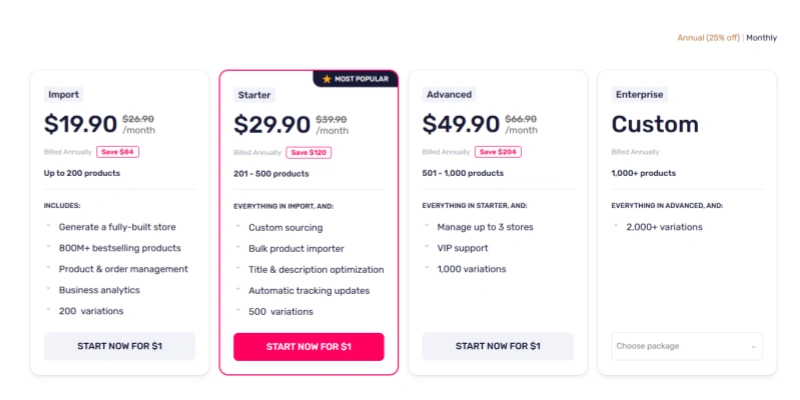
The platform includes tools for:
- Product importing
- Inventory updates
- Price monitoring
- Order automation
- Product management
AutoDS uses a subscription-based pricing model. According to AutoDS, sellers can choose from different subscription plans that provide access to automation tools, product management, and order fulfillment features.[1]
Rather than paying for individual services, sellers pay recurring fees for access to the platform and its automation capabilities.
Best For
AutoDS works well for sellers who:
- Manage multiple products
- Want to reduce manual work
- Value automation
- Plan to scale operations over time
Things to Consider
When looking at AutoDS pricing, sellers should think beyond the monthly fee itself.
Questions worth asking include:
- Which features are included?
- Will automation save enough time?
- Does the pricing fit your current business stage?
For established stores with steady sales, subscription pricing can provide predictable access to automation tools.
For newer sellers, understanding how platform costs fit into the overall business budget is equally important.
CJdropshipping Pricing Explained
CJdropshipping takes a different approach from traditional subscription platforms.
According to the company, it provides sourcing, warehousing, shipping, and fulfillment services for ecommerce sellers.
Instead of requiring a standard monthly membership, costs are generally connected to the services sellers choose to use. According to CJdropshipping, sellers may pay for sourcing, shipping, warehousing, and other fulfillment services based on their operational needs.[2]
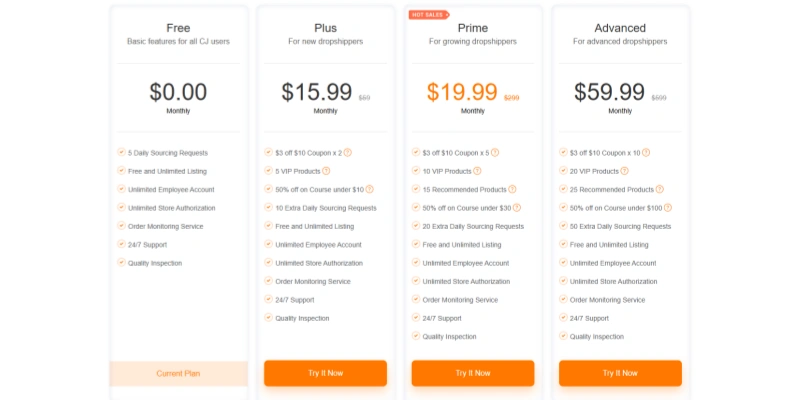
The platform offers:
- Product sourcing
- Global shipping
- Warehousing
- Order fulfillment
- Private labeling
- Print-on-demand services
This flexibility has made CJdropshipping popular among Shopify sellers looking for direct sourcing options.
Best For
CJdropshipping may be a good fit for sellers who:
- Need sourcing assistance
- Want access to supplier networks
- Plan to build branded products
- Need flexible fulfillment solutions
Things to Consider
Because CJdropshipping is service-oriented, costs can vary depending on:
- Product type
- Shipping destination
- Packaging options
- Branding services
- Fulfillment requirements
Rather than focusing on a single subscription fee, sellers often evaluate the overall service package that matches their business needs.
Hidden Costs Sellers Often Overlook
When people compare dropshipping platform pricing, they often focus on the monthly fee.
In reality, monthly subscriptions are only one part of the picture.
Several other costs can affect overall profitability.
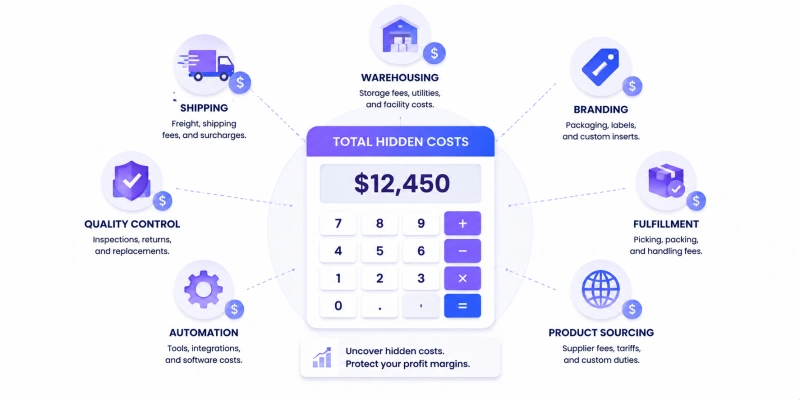
Product Sourcing
Some platforms provide direct sourcing services.
Others require sellers to find suppliers themselves.
Shipping
Shipping costs depend on destination, product size, and delivery speed.
Faster shipping may increase customer satisfaction but also increase expenses.
Branding
Private labels, custom packaging, and branded packaging can improve customer experience but often involve additional costs.
Warehousing
Local storage and inventory management solutions may be useful for growing businesses but can add to operating expenses.
Automation
Advanced automation features may require higher-tier plans on some platforms.
Quality Control
Checking products before shipping can help reduce customer complaints and returns.
Comparing these factors alongside subscription fees provides a more complete view of dropshipping costs.
How to Choose the Right Platform for Your Budget
There is no perfect platform for every seller.
The right choice depends on your business stage and priorities.
If You Want Extensive Automation
A subscription platform like AutoDS may be worth considering.
Automation can reduce manual work for growing stores.
If You Need Flexible Product Sourcing
CJdropshipping offers sourcing and fulfillment services that may suit sellers working with custom products.
If You Want Flexible Operating Costs
TeemDrop offers a different approach by combining sourcing, fulfillment, and automation without requiring monthly subscriptions.
For sellers who frequently test products or want to reduce fixed expenses, this model may provide additional flexibility.
Final Thoughts
Comparing AutoDS, CJdropshipping, and TeemDrop isn't about finding a single winner.
Each platform was built with different priorities.
AutoDS focuses on automation.
CJdropshipping emphasizes sourcing and fulfillment.
TeemDrop brings together sourcing, fulfillment, quality control, and automation while using a pay-as-you-sell pricing model instead of monthly subscriptions.
The best dropshipping platform depends on your business goals, budget, and growth strategy.
Before making a decision, take time to understand how each platform charges for its services and which pricing model matches your workflow.
For many Shopify sellers, choosing the right pricing structure can be just as important as choosing the right products.
FAQ
Is AutoDS subscription-based?
AutoDS primarily uses a subscription pricing model that gives sellers access to automation tools and platform features.
Does CJdropshipping charge monthly fees?
CJdropshipping mainly uses a service-based model rather than a standard monthly subscription.
Does TeemDrop charge a monthly subscription?
According to its pricing model, TeemDrop does not require a monthly subscription or setup fees for platform access.
How much does dropshipping cost?
Dropshipping costs typically include products, shipping, marketing, and platform services. The total depends on the platform and business model you choose.
References
[1] AutoDS. Pricing — Choose Your Success Plan
https://www.autods.com/pricing/
[2] CJdropshipping — Service Fees for Service Products
https://www.cjdropshipping.com/service-fee