What Is Ghost Commerce? How It Works and How to Start in 2026
The way people start online businesses has changed dramatically over the past few years. Instead of buying inventory, renting warehouse space, and shipping products themselves, many entrepreneurs now rely on suppliers and fulfillment partners to handle daily operations.
This trend has brought more attention to ghost commerce, a term that has become increasingly popular on social media and search engines. If you've searched what is ghost commerce, what's ghost commerce, or wondered whether it's just another name for dropshipping, you're not alone.
At TeemDrop, we help ecommerce businesses source products, automate fulfillment, and scale globally. We've seen more first-time sellers looking for flexible business models that require less upfront investment while still offering room for long-term growth.
In this guide, you'll learn the ghost commerce meaning, how this business model works, how it compares with dropshipping and affiliate marketing, and how to decide whether it's the right choice for your ecommerce journey.
What Is Ghost Commerce?
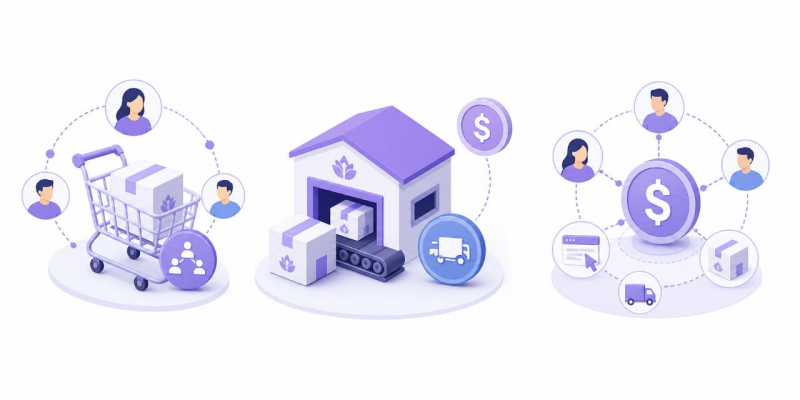
The simplest answer to what is ghost commerce is that it's a broad term for online business models where you don't manage inventory or ship products yourself.
Instead, third-party suppliers or service providers handle fulfillment while you focus on attracting customers, building a brand, and growing your business. Because most of the operational work happens behind the scenes, this approach is often referred to as "ghost" commerce.
The ghost commerce meaning isn't limited to one business model. It includes several ways of selling online with minimal operational responsibility, such as:
- Dropshipping
- Affiliate marketing
- Print on demand
- Digital products
- White-label ecommerce
Although the phrase is relatively new, the business models behind it have existed for years. What has changed is the technology. Ecommerce platforms, automation tools, and global fulfillment services now make it much easier for beginners to launch an online business without making a large upfront investment.
As a result, more entrepreneurs are choosing this approach as a lower-risk way to enter ecommerce, especially those who want to test products before investing in inventory.[1]
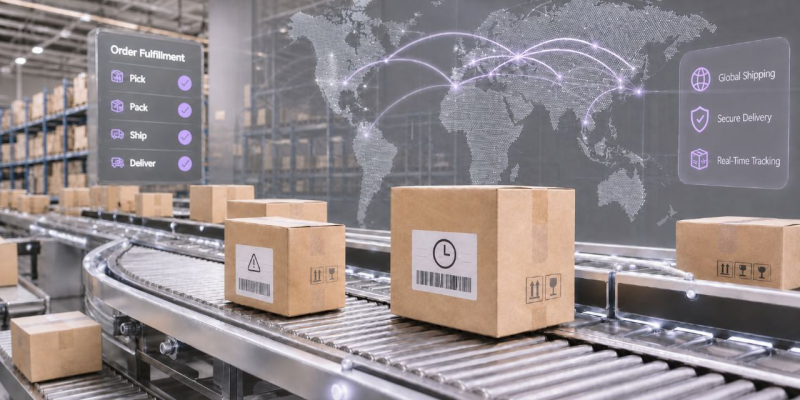
How Does Ghost Commerce Work?
Most businesses using this model follow the same basic process.
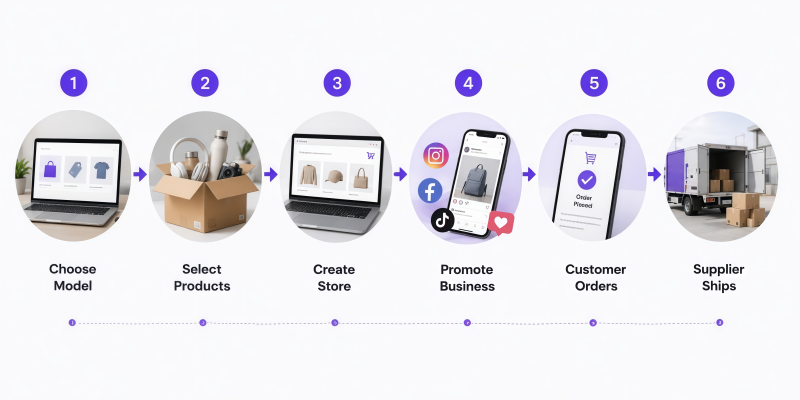
Here's how each stage works.
Choose a Business Model
Your first decision is how you want to sell online. Some entrepreneurs build a dropshipping store, while others earn commissions through affiliate marketing or sell print on demand dropshipping products. The right option depends on your goals, budget, and the amount of control you want over your business.
Select Products
Once you've chosen a business model, the next step is selecting products or services to sell.
Create an Online Store
Create an online store where customers can browse products and place orders.
Attract Customers
Promote your business through marketing channels such as SEO, social media, or paid advertising to attract customers.
Fulfill Orders
When a customer places an order, your supplier or fulfillment partner prepares and ships it directly to the customer.
Ghost Commerce vs. Dropshipping vs. Affiliate Marketing
These three terms are closely related, but they don't mean the same thing.
| Feature |
Ghost Commerce |
Dropshipping |
Affiliate Marketing |
| Business Type |
Broad ecommerce approach |
Ecommerce fulfillment model |
Referral marketing model |
| Own an Online Store |
Usually |
Yes |
Optional |
| Sell Products Directly |
Sometimes |
Yes |
No |
| Inventory Required |
No |
No |
No |
| Handle Customer Support |
Usually |
Yes |
No |
| Main Revenue Source |
Product sales, services, or commissions |
Product profit |
Referral commission |
The biggest difference is scope.
Ghost commerce is an umbrella term encompassing multiple inventory-light business models. The dropshipping business model is one of those models because suppliers fulfill customer orders on the seller's behalf.
Affiliate marketing works differently. Instead of operating a store, affiliates recommend products through blogs, videos, or social media and earn a commission when someone makes a purchase through their referral link.
If your goal is to build your own ecommerce brand, dropshipping generally offers more control over pricing, branding, and customer relationships. If you prefer creating content without managing customer orders, affiliate marketing may be a better fit.
Understanding these differences makes it easier to choose the approach that aligns with your skills and long-term business goals.
Ghost Commerce Pros and Cons
Like any business model, ghost commerce has both advantages and limitations. Understanding both sides will help you decide whether it's the right fit before investing your time and effort.

Benefits
Low Startup Costs
One of the biggest advantages is the low barrier to entry. Since you don't need to purchase inventory upfront or rent warehouse space, you can launch a business with a relatively small budget. This makes it an attractive option for beginners and side hustlers.
Flexible and Location Independent
Most tasks can be managed online, giving you the flexibility to work from anywhere. Whether you're running your business full-time or alongside another job, you can manage orders, marketing, and customer communication with an internet connection.
Easy to Test New Products
Without inventory commitments, you can test different products and niches with lower risk.
More Time for Growth
By outsourcing fulfillment, you can focus on marketing, branding, and business growth.
Challenges
Competition Can Be High
The low startup cost also means more people can enter the market. Standing out requires more than simply listing products—you'll need a clear brand, quality products, and a consistent marketing strategy.
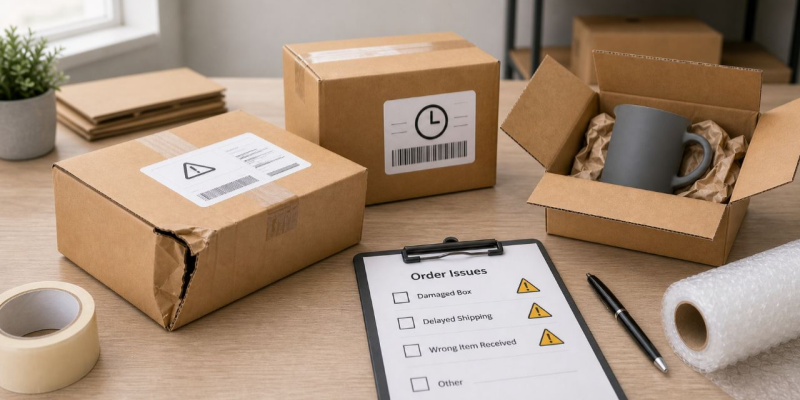
Supplier Quality Matters
Your customers judge your business based on the products they receive, even if you don't manufacture or ship them yourself. Choosing reliable suppliers is essential for maintaining customer satisfaction and reducing refunds.
Marketing Is Your Responsibility
Without consistent traffic, even great products won't generate sales. Learning SEO, content marketing, email marketing, or paid advertising is just as important as choosing the right products.
Profit Takes Time
Although startup costs are lower, building sustainable traffic and customer trust still takes time.
How to Start Ghost Commerce for Free
Many beginners search for how to start ghost commerce for free because they want to learn ecommerce without making a large financial commitment.
While some expenses may come later as your business grows, you can start with a simple plan.

Choose a Business Model
Start by deciding how you want to earn income online.
Popular options include:
- Dropshipping
- Affiliate marketing
- Print on demand
- Digital products
- White-label products
If your goal is to build your own ecommerce brand, dropshipping is often the best starting point because it gives you more control over pricing, branding, and customer relationships while keeping upfront costs low.
Avoid trying multiple models at once. Focus on mastering one before expanding.
Find Winning Products
The products you choose have a significant impact on your store's success.
Instead of selecting products randomly, look for items that:
- Solve a real problem
- Have consistent demand
- Offer reasonable profit margins
- Are easy to ship
- Have room for branding
You can research product ideas using Google Trends, Amazon Best Sellers, TikTok, and customer reviews to understand what shoppers are actively searching for.[2]
Rather than chasing every viral trend, prioritize products with long-term demand.

Build Your Store
After selecting your products, create a professional online store.
Platforms like Shopify and WooCommerce make it easy for beginners to launch without advanced technical skills.
A clean, trustworthy website often performs better than one filled with unnecessary features or excessive design elements.
Market Your Business
Start by focusing on channels that can deliver sustainable results over time, including:
- SEO
- Short-form video content
- Social media
- Email marketing
- Influencer collaborations
Focus on creating helpful, people-first content that answers users' questions rather than publishing purely promotional pages, following Google's Helpful Content guidance.[3]
Automate Fulfillment with TeemDrop
As your business grows, using a fulfillment platform can simplify operations.
Using professional dropship fulfillment services can simplify these daily tasks.
For example, TeemDrop helps sellers:
- Source products from verified suppliers
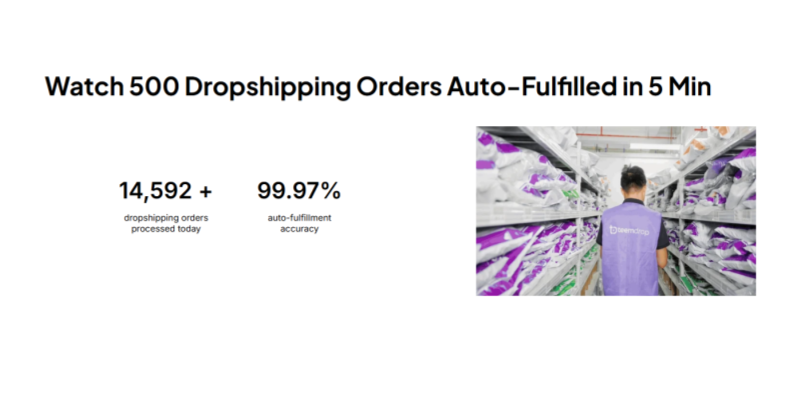
- Automate order fulfillment
- Perform product quality inspections
- Access global shipping solutions
- Offer print-on-demand and white-label services
A unified fulfillment platform simplifies operations and lets sellers focus on growth.
Common Ghost Commerce Mistakes Beginners Should Avoid
Starting an online business is easier than ever, but many new sellers make the same avoidable mistakes. Learning from them early can save both time and money.
Choosing Products Without Research
Many beginners pick products based only on what's trending on social media. While viral products may generate short-term sales, demand often disappears quickly.
Instead, validate your ideas with keyword research, market trends, and competitor analysis. Products with consistent demand usually provide more stable growth over time.
Working with Unreliable Suppliers
Reliable suppliers are essential because product quality and shipping performance directly affect customer satisfaction.
Before committing to a supplier, check product quality, fulfillment speed, return policies, and customer feedback. If possible, order samples yourself before selling.
Ignoring SEO and Content Marketing
Many new store owners launch a website and expect customers to arrive automatically.
In reality, organic traffic takes time to build. Publishing buying guides, product comparisons, and educational content can improve your search visibility and attract customers who are already looking for solutions.
Trying to Scale Too Quickly
Expanding into multiple niches or adding hundreds of products too early often makes a business harder to manage.
Start with a focused product selection, improve your conversion rate, and build a reliable workflow before expanding.
Is Ghost Commerce Worth It in 2026?
For many entrepreneurs, the answer is yes—provided they approach it with realistic expectations.
Ecommerce continues to grow, while modern AI dropshipping solutions make launching an online business more accessible and affordable than traditional retail.[4]
However, success doesn't come from choosing a trending business model alone.
The businesses that continue growing usually share a few common characteristics:
- They solve real customer problems.
- They invest in branding instead of competing only on price.
- They consistently create helpful content that attracts organic traffic.
- They work with reliable dropshipping services that support long-term growth.
If you're prepared to keep learning and improving, this business model can be a practical way to enter ecommerce without taking on the financial risk of holding inventory.
Conclusion
Understanding what is ghost commerce is only the first step. Building a successful online business requires choosing the right business model, finding products with long-term demand, attracting consistent traffic, and delivering a positive customer experience.
Whether you decide to start with dropshipping, print on demand, or another inventory-light model, your long-term success will depend more on execution than on the business model itself.
If you're building an ecommerce brand, TeemDrop helps streamline sourcing, fulfillment, quality control, and global shipping—so you can focus on growing your business.
FAQ
Is ghost commerce legal?
Yes. Ghost commerce is legal as long as you comply with local business regulations, accurately represent your products, and work with legitimate suppliers.
Do I need inventory to start?
In most cases, no. Many business models under ghost commerce rely on suppliers or fulfillment partners to store inventory and ship products directly to customers.
Is ghost commerce profitable in 2026?
It can be, but profitability depends on product selection, marketing, pricing, and customer experience rather than the business model alone.
Can beginners succeed with ghost commerce?
Yes. Many entrepreneurs start with inventory-light business models because they have lower startup costs. Success comes from continuous learning, testing products, and improving marketing over time.
Which platform is best for managing fulfillment?
The right platform depends on your business needs. If you're building a dropshipping or branded ecommerce business, platforms like TeemDrop can help streamline product sourcing, fulfillment, and global shipping from one place.
References
[1] Shopify. What Is Dropshipping and How Does It Work?
https://www.shopify.com/blog/what-is-dropshipping
[2] Google Trends. Explore Search Trends.
https://trends.google.com/
[3] Google Search Central. Creating Helpful, Reliable, People-First Content.
https://developers.google.com/search/docs/fundamentals/creating-helpful-content
[4] Statista. Retail E-commerce Sales Worldwide.
https://www.statista.com/topics/871/online-shopping/