How to Build a Profitable Product Line for Your Ecommerce Business in 2026
Launching one successful product is a great start—but building a successful ecommerce business requires more than a single bestseller.
As your store grows, customers expect more choices that fit their needs. Offering related products not only improves the shopping experience but also increases average order value, encourages repeat purchases, and strengthens your brand.
That's why every growing ecommerce business should understand the value of a product line.
Whether you run a dropshipping store, a Shopify brand, or your own ecommerce business, learning how to build and expand the right product lines can help you grow sustainably instead of constantly chasing the next trending product.
For sellers using platforms like TeemDrop, expanding a product range becomes easier because product sourcing, supplier management, inventory synchronization, and fulfillment can all be managed through one workflow instead of multiple disconnected tools. TeemDrop combines AI-powered sourcing with supplier matching, quality control, and automated fulfillment to simplify product expansion as your catalog grows.

Quick Answer
A product line is a group of related products sold under the same brand to meet similar customer needs. The definition of product line isn't simply "selling more products"—it's about offering products that naturally work together.
For ecommerce businesses, a well-designed product line can:
- Increase average order value
- Encourage repeat purchases
- Improve cross-selling opportunities
- Build stronger brand recognition
- Support long-term business growth
Instead of relying on one winning product, successful businesses expand by adding complementary products that serve the same audience.
At a Glance
| Question |
Answer |
| What is a product line? |
A group of related products sold under one brand. |
| Who should build one? |
Ecommerce brands, Shopify stores, and dropshipping businesses. |
| Why is it important? |
It helps increase revenue, customer retention, and brand loyalty. |
| What's the goal? |
Expand around customer needs—not random products. |
What Is a Product Line?
The product line meaning is simple.
A product line is a collection of products that are closely related because they serve the same customer, solve similar problems, or belong to the same category.
For example, imagine an online pet store.
Instead of selling only one dog bed, the store also offers pet blankets, feeding bowls, grooming brushes, toys, collars, and travel carriers.
Together, these products form one example product line because they are designed for the same audience and complement one another.
This is very different from adding unrelated products simply to increase catalog size.
A successful product line should always answer one question:
Will this product make sense to someone who already bought from me?
If the answer is yes, it probably belongs in your product line.
Characteristics of a Strong Product Line
Most successful product lines share a few common traits:
- They target the same customer group.
- Products naturally complement each other.
- Branding remains consistent across products.
- Products create opportunities for bundles and cross-selling.
- Suppliers can reliably support long-term growth.
Instead of offering hundreds of unrelated products, many successful ecommerce brands build authority by becoming specialists in one niche before expanding.

Why a Product Line Matters for Ecommerce Growth
Many beginners think selling more products automatically means making more sales.
In reality, selling related products is often much more profitable than simply selling more products.
A carefully planned product range helps businesses grow in several important ways.
Increase Average Order Value
Customers are more likely to buy multiple products when they naturally fit together.
For example, someone buying a yoga mat may also purchase resistance bands or a carrying bag during the same checkout.
These complementary purchases increase revenue without increasing advertising costs, especially when selling trending dropshipping products.
Encourage Repeat Purchases
When customers enjoy one product, they're more willing to return for other products from the same brand.
This is especially valuable for ecommerce businesses because keeping existing customers usually costs less than acquiring new ones.
Strengthen Your Brand
A focused product line helps customers remember what your business specializes in.
Whether you sell fitness equipment, pet accessories, or beauty products, consistency builds trust over time.
Make Cross-Selling Easier
Related products create natural recommendations.
Instead of forcing upsells, you can suggest products customers genuinely need, creating a better shopping experience while increasing sales.

How to Build a Successful Product Line Step by Step
Building a successful product line doesn't mean launching dozens of products at once.
The strongest product lines usually grow step by step.
Step 1: Start with One Winning Product
Every successful product line starts with one product customers already love.
Look for products with:
- Consistent demand
- Healthy profit margins
- Positive customer feedback
- Reliable fulfillment
This product becomes the foundation for future expansion.
Step 2: Add Complementary Products
Instead of entering completely new categories, think about what customers naturally need next.
Ask yourself:
- What accessories improve the original product?
- What products solve the next customer problem?
- What products could be sold as a bundle?
Growing around one successful product is usually more effective than constantly searching for new niches.
Step 3: Validate Demand Before Expanding
Not every product deserves a place in your catalog.
Before adding new products, validate demand by reviewing:
- Search trends
- Customer reviews
- Competitor stores
- Social media discussions
- Sales performance of similar products
Testing small batches before scaling reduces risk and helps you invest in products customers actually want, including white label products when appropriate.
Step 4: Build a Reliable Supply Chain
Even the best product line can fail if suppliers cannot maintain consistent quality or shipping performance.
As your catalog grows, manually managing multiple ecommerce dropshipping suppliers becomes increasingly difficult.
This is why many growing ecommerce sellers use platforms like TeemDrop. Instead of working with different sourcing agents and fulfillment providers, sellers can source products, compare suppliers, synchronize inventory, automate order fulfillment, and manage quality control from a single platform. AI-assisted sourcing also helps identify complementary products that fit an existing catalog, making expansion more efficient.
3 Real Product Line Examples Every Ecommerce Seller Can Learn From
The best way to understand how a product line works is to look at brands that have successfully expanded around a core product instead of constantly launching unrelated items.
Although Apple, Nike, and The Ordinary operate in different industries, they all follow the same principle: start with a strong core offering, then add complementary products that increase customer value and strengthen the brand.
1. Apple: Build an Ecosystem, Not Just More Products
Apple is one of the strongest examples of successful product lines.
Rather than relying only on the iPhone, Apple has built an ecosystem that includes AirPods, Apple Watch, iPad, Mac, MagSafe accessories, and services such as iCloud and Apple Music. Each product enhances the others, making customers more likely to stay within the Apple ecosystem.[1]
This strategy creates more opportunities for repeat purchases while increasing the value of every customer relationship.
What ecommerce sellers can learn:
- Expand around your best-selling product before exploring new dropshipping niches.
- Choose complementary products instead of unrelated categories.
- Create bundles that solve multiple customer needs.
- Focus on long-term customer value rather than one-time sales.
The goal isn't to sell more products—it's to make every product work better together.

2. Nike: Expand Around the Same Customer
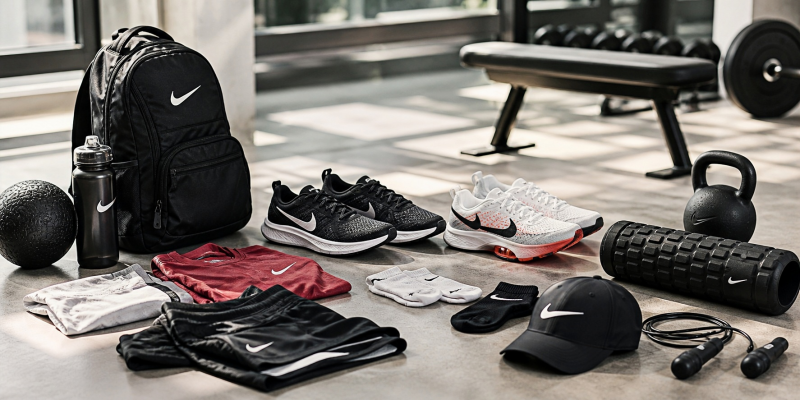
Nike doesn't simply sell shoes.
Its product range includes running shoes, training shoes, sports apparel, socks, backpacks, accessories, and sports equipment. Although the catalog is broad, every product serves a similar customer: people with an active lifestyle.[2]
Instead of entering unrelated markets, Nike continually develops products that support the same audience throughout their fitness journey.
This is a great example of managing product line growth successfully.
What ecommerce sellers can learn:
- Understand who your ideal customer is before expanding.
- Add products your existing customers are already looking for.
- Keep your brand message consistent across every product.
Growing around one customer group is often more effective than trying to reach everyone.
3. The Ordinary: Expand Through Customer Routines
The Ordinary offers another excellent example of a product line, especially for ecommerce brands.
Instead of creating dozens of unrelated beauty products, the brand organizes its catalog around skincare routines and ingredients. Customers can start with one serum and naturally add a cleanser, moisturizer, exfoliating treatment, sunscreen, or peptide serum depending on their skincare goals.[3]
This makes purchasing decisions easier while encouraging customers to build complete routines rather than buying a single product.
For ecommerce sellers, this strategy is highly relevant because it increases both average order value and repeat purchases.
What ecommerce sellers can learn:
- Think about the customer's complete journey.
- Add products that naturally fit into existing buying habits.
- Build collections and bundles around real use cases instead of individual products.
Whether you sell pet supplies, fitness equipment, home organization products, or beauty items, designing products around customer routines can create a much stronger product line than simply adding more SKUs.

Product Line vs Product Mix: What's the Difference?
Many people confuse a product line with a product mix, but they describe different parts of a business.
| Product Line |
Product Mix |
| A group of related products |
Every product category a business sells |
| Focuses on one customer need |
Represents the complete catalog |
| Easier to bundle and cross-sell |
Helps diversify the business |
| Supports specialization |
Supports overall business growth |
Understanding what product line and product mix are helps businesses make better expansion decisions.
For example, if an ecommerce brand sells pet products, its dog accessories may be one product line, while cat products and bird supplies are separate product lines. Together, these categories make up the company's product mix and product line strategy.
As your business grows, it's also useful to understand two related concepts:
- Breadth of a product line refers to how many different product categories your business offers.
- Depth of a product line refers to how many variations exist within one category, such as different sizes, colors, or styles.
Most successful ecommerce brands increase both gradually instead of expanding too quickly into unrelated markets.
How AI Helps You Build and Manage Product Lines
Once you've defined your product line strategy, the next challenge is executing it efficiently.
Creating a successful product line used to involve hours of product research, supplier outreach, and manual comparisons.
Today, AI makes the process much faster.
Instead of relying on guesswork, ecommerce sellers can analyze demand trends, identify complementary products, compare supplier quotes, and discover new expansion opportunities before investing in inventory.
This is where TeemDrop provides additional value.
Rather than using separate tools for sourcing, supplier communication, quality control, warehousing, and fulfillment, TeemDrop brings these tasks into one platform. Sellers can discover related products with AI-assisted sourcing, compare verified suppliers, automate fulfillment, and scale their catalog without adding unnecessary operational complexity.
For growing ecommerce businesses, AI doesn't replace strategy—it helps businesses make smarter product decisions faster.
FAQ
What is the definition of product line?
A product line is a group of related products sold under the same brand that target similar customers or solve related problems.
How many products should a product line have?
There is no ideal number. Many successful ecommerce businesses start with one product and gradually expand as customer demand grows.
What is the difference between a product line and a product mix?
A product line is one group of related products, while a product mix includes every product category a business sells.
Can dropshipping stores build successful product lines?
Yes. Many dropshipping businesses grow by expanding around complementary products instead of constantly changing niches. Working with sourcing and fulfillment platforms like TeemDrop makes this process more efficient.
How do I know when it's time to expand my product line?
You should consider expanding when your best-selling product has consistent demand, customers ask for related products, and you have reliable suppliers that can support long-term growth.
References
[1] Apple Inc. Annual Report (Form 10-K) – Products and Services
https://www.sec.gov/Archives/edgar/data/320193/000032019323000106/aapl-20230930.htm
[2] NIKE, Inc. Annual Report (Form 10-K)
https://www.sec.gov/Archives/edgar/data/320187/
[3] The Ordinary – About the Brand & Product Philosophy
https://theordinary.com/en-jp/about-us/company-overview.html