How to Vet a Dropshipping Supplier Before Working With Them
Choosing a dropshipping supplier is only the first step. Before sending customer orders to a new partner, you need to know whether they can deliver the products and services they promise.
A supplier may offer competitive prices and fast shipping, but poor product quality, inaccurate inventory, or delayed orders can quickly damage your store's reputation.
This is why dropshipping supplier verification matters. TeemDrop helps sellers manage product sourcing, quality checks, and fulfillment, but understanding how to evaluate a potential supplier remains essential.
If you have not shortlisted potential partners yet, start by identifying potential suppliers through reliable sourcing channels. Once you have candidates, use the checks below to decide whether they are ready for your business.
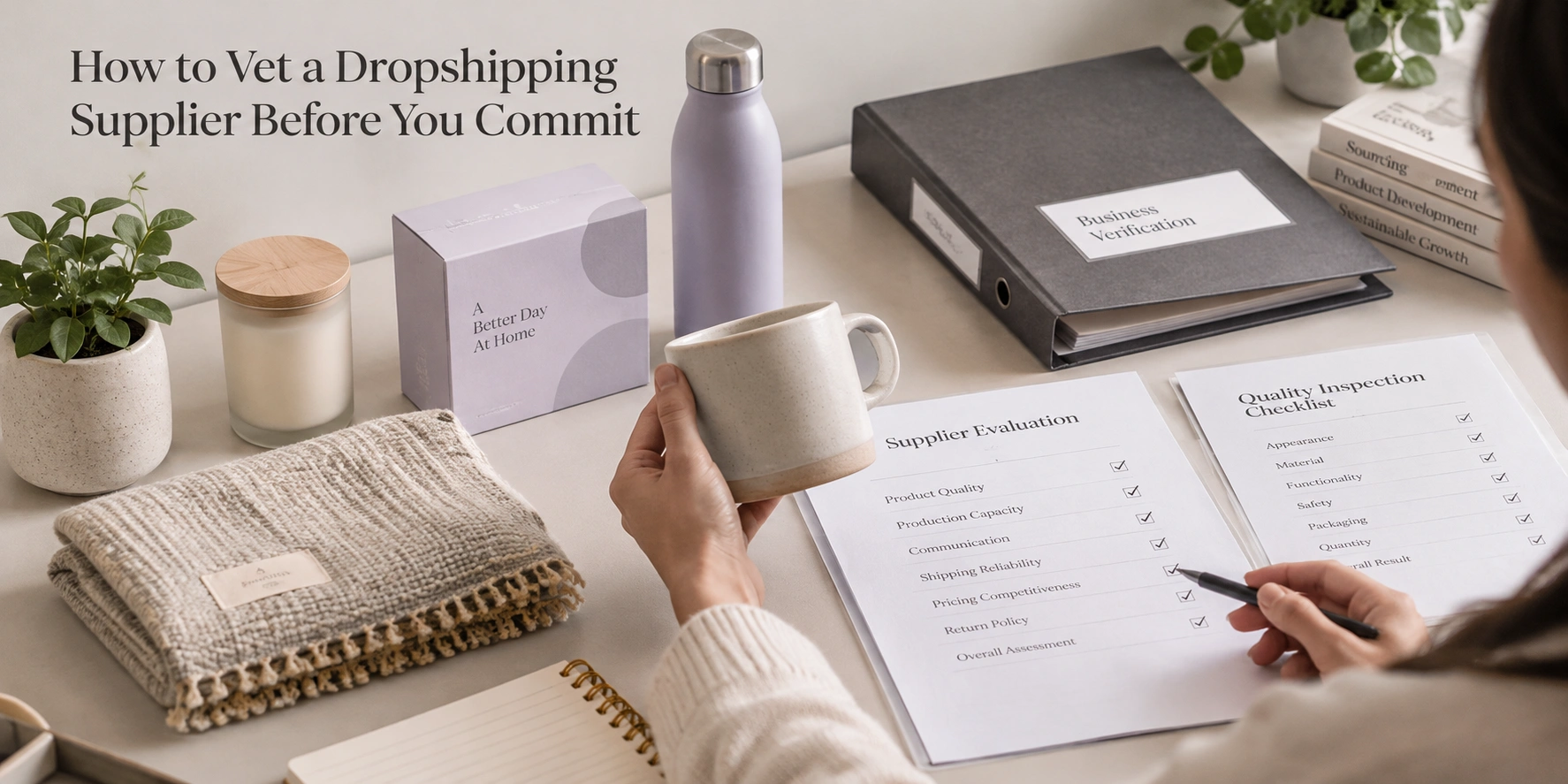
Quick Answer: How Do You Verify a Dropshipping Supplier?
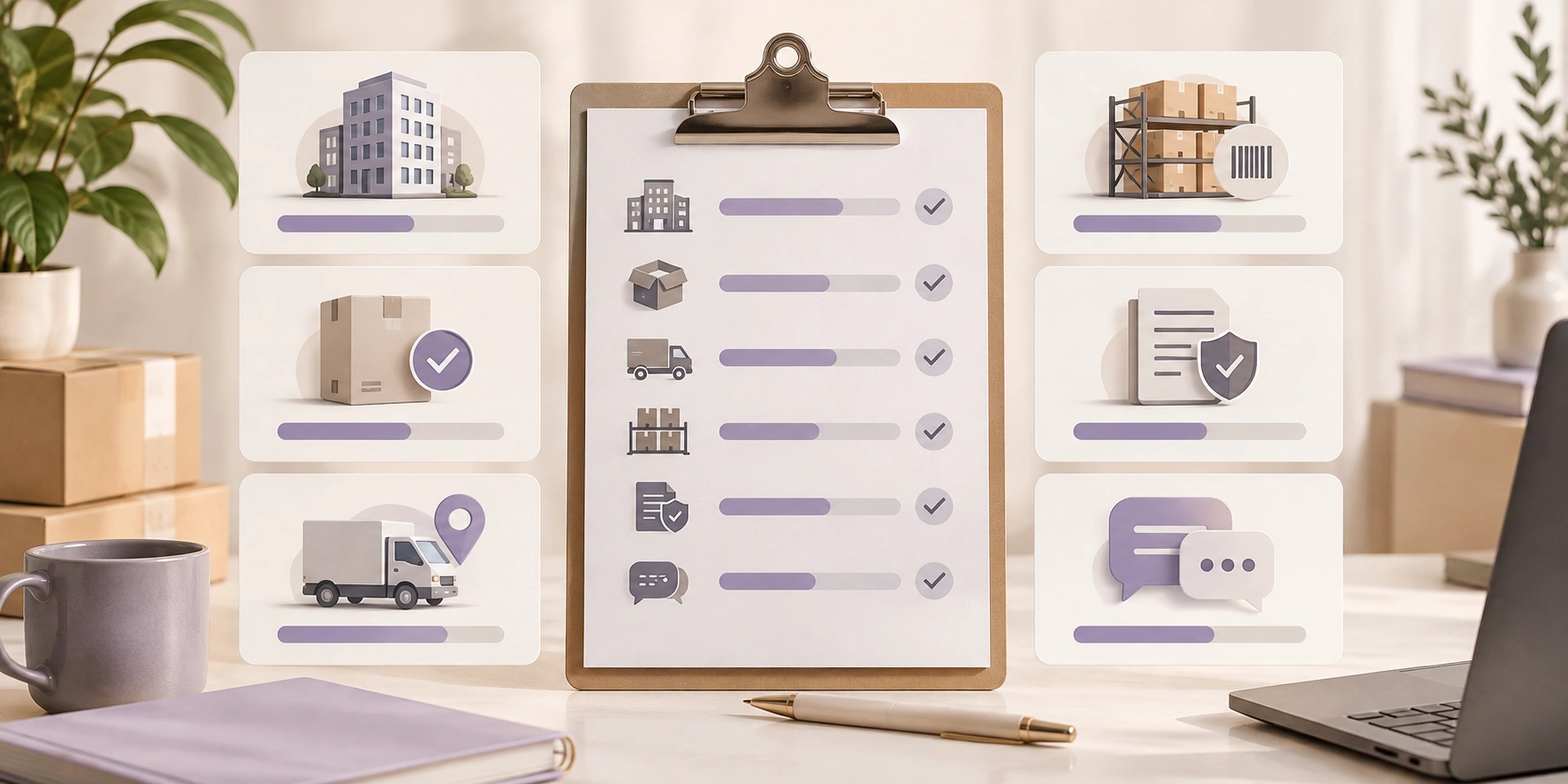
To verify a dropshipping supplier, check six areas before partnering: business identity, product quality, order fulfillment, inventory accuracy, customer service, and return or refund policies.
Request supporting documents, place test orders, and compare actual performance with the supplier's promises. Do not approve a supplier based only on product photos, online reviews, or low prices.
| Verification Area |
What to Check |
| Business identity |
Registration, address, and contact details |
| Product quality |
Actual product, specifications, and packaging |
| Order fulfillment |
Processing time, tracking, and delivery |
| Inventory |
Stock accuracy and update frequency |
| Policies |
Refunds, replacements, and shipping issues |
| Communication |
Response time and problem resolution |
Verify the Supplier's Business Identity and Background
Before placing an order, make sure you know who you are dealing with. A professional-looking website or social media account does not automatically prove that a supplier operates a legitimate business.
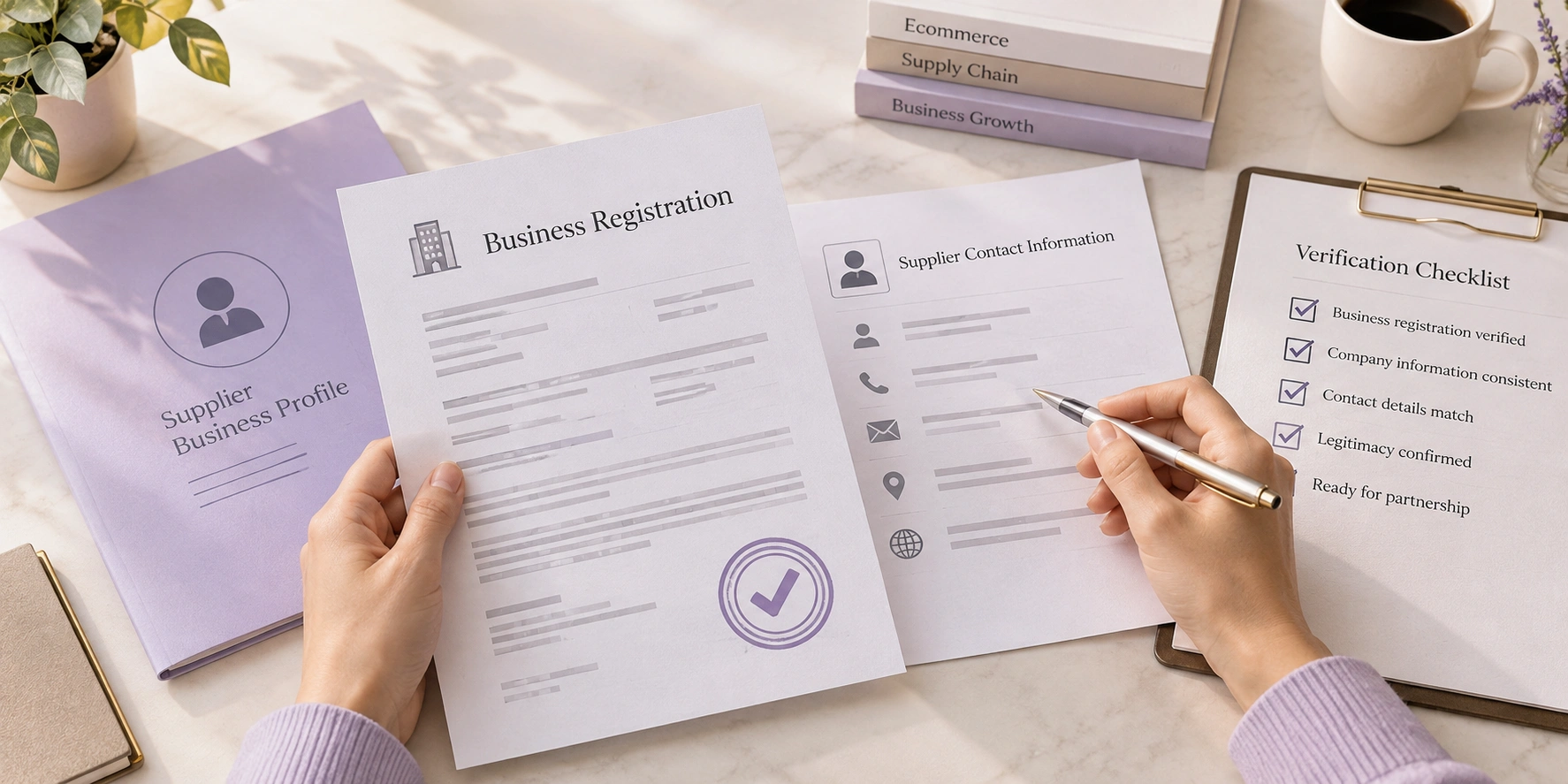
Check Business Registration and Contact Information
Once you have shortlisted potential dropshipping suppliers, the next step is to verify their business identity before placing orders or entering into a partnership.
Start by checking the supplier's basic business information:
- Registered business name and registration details, where applicable.
- Business address and contact information.
- Official website and business email.
- Relevant business documents.
- Whether payment details match the stated business identity.
Registration requirements vary by country, so the documents available may differ. Check the relevant business registry when possible and investigate any inconsistent information before making a payment.
Cross-Check the Supplier's Business Claims
Some suppliers describe themselves as manufacturers when they actually operate as trading companies or resellers.
Ask questions such as:
- Do you manufacture the products or source them from other factories?
- Where are the products stored?
- Who handles packing and shipping?
- Can you provide product specifications or sourcing information?
The goal is not to reject trading companies. Many can be reliable partners. You simply need to understand their actual role in the supply chain.
Check Independent Reviews and Reputation
Check independent reviews and customer discussions rather than relying only on testimonials published by the supplier.
Look for repeated complaints about missing orders, inconsistent product quality, shipping delays, and unresolved refund requests. A single negative review is not conclusive, but recurring problems may indicate poor dropshipping supplier reliability.
Verify Dropshipping Product Quality Through Testing
Product quality is a key part of dropshipping quality control. A product may look perfect in its listing, but the actual item must match the advertised specifications and customer expectations.
Check the materials, dimensions, colors, functionality, accessories, and packaging. For regulated products, also verify whether the required safety documents and certifications are available for your target market.[1]

Compare Actual Products With Their Listings
Check whether the product matches the advertised information, including:
- Materials and product specifications.
- Size, color, and available variations.
- Product functionality.
- Included accessories and components.
- Packaging and visible product defects.
For products with specific safety requirements, also check whether the supplier can provide relevant certifications, test reports, or compliance documents.
Place a Test Order Through the Normal Process
Requesting a sample is useful, but a normal test order provides a more complete picture of the supplier's performance.
Whenever possible, place an order through the same process used for regular customer purchases. This lets you evaluate the product, packaging, processing time, and shipping experience together.
For example, if you sell home accessories, check the material, dimensions, surface finish, and protective packaging. Record any scratches, missing components, or differences from the listing.
Shopify also recommends placing test orders to evaluate a supplier's order handling, shipping speed, packaging, and communication before committing to a partnership.[2]
Record Product Defects and Quality Issues
Use a simple checklist to record your findings.
| Test Item |
What to Verify |
| Product specifications |
Match the product listing |
| Appearance |
No visible damage or defects |
| Accessories |
All expected components included |
| Packaging |
Adequate protection during shipping |
| Functionality |
Works as described |
| Compliance documents |
Relevant certifications and safety information, where required |
Keep photos, videos, and written notes from each test. These records help you compare suppliers, track recurring defects, and make better sourcing decisions
Test the Supplier's Order Fulfillment Performance
A supplier may offer attractive shipping estimates, but you need to confirm whether they can meet those expectations in real orders.
This is especially important when your store depends on fast and consistent delivery.
Measure Order Processing Time
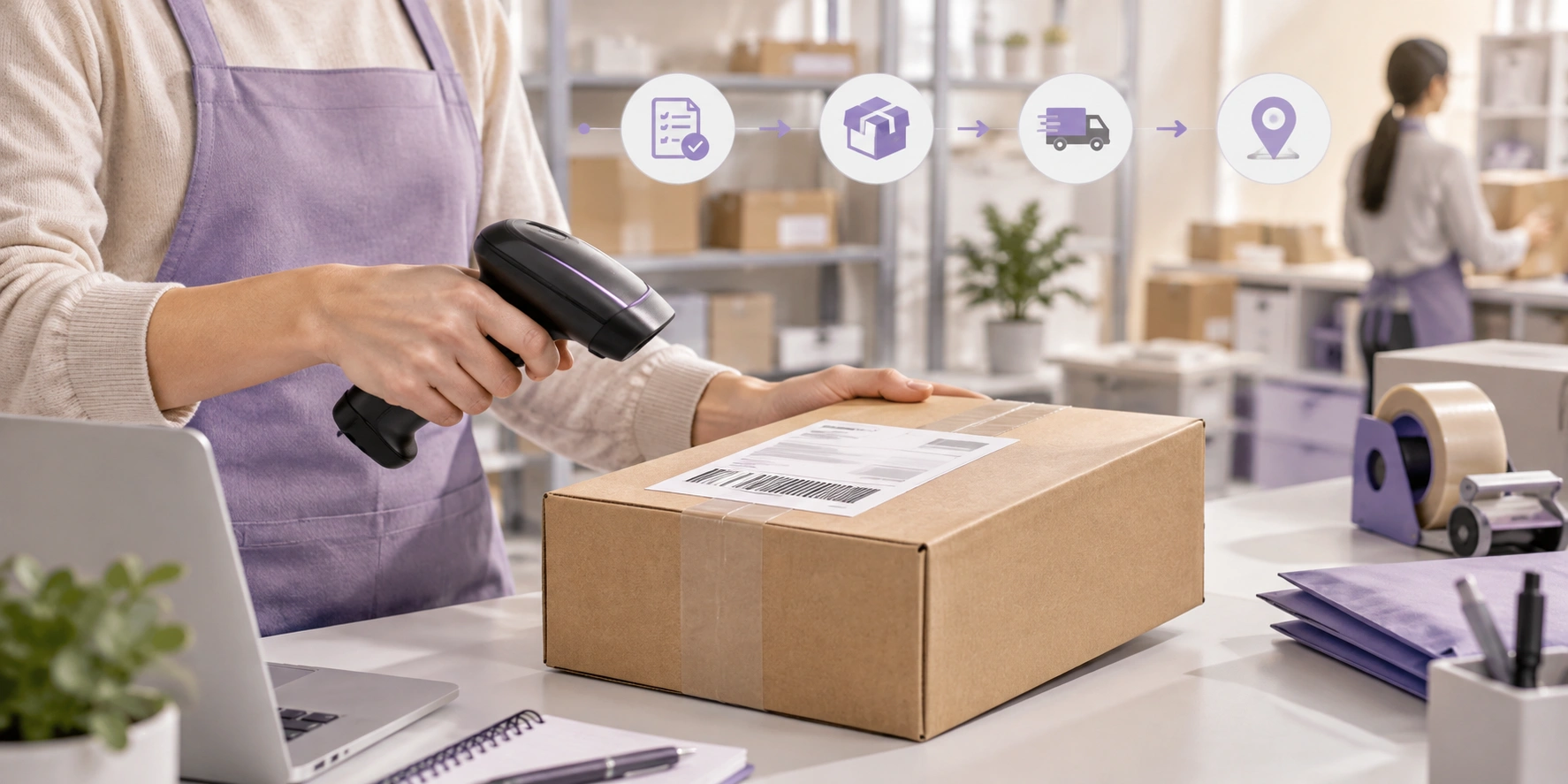
Ask the supplier to explain each stage of the order process:
- Order confirmation.
- Picking and packing.
- Shipping label creation.
- Carrier handover.
Keep processing time separate from delivery time. For example, a tracking number may be generated within 24 hours, but the package might not reach the carrier until two days later.
A shipping label being created does not mean the parcel has actually been dispatched.
Verify Shipping and Tracking Information
Place a test order and record when it is confirmed, dispatched, scanned by the carrier, and delivered.
Compare these results with the supplier's original commitments. For sellers targeting the US market, also check the shipping origin, carrier options, tracking updates, and estimated delivery time.
This helps you identify delays between order processing and actual delivery.
Check Order Accuracy and Fulfillment Consistency
A successful delivery does not automatically mean the order was fulfilled correctly. Check:
- Correct product and variation.
- Correct quantity.
- Accurate shipping address.
- Valid tracking information.
- No missing items or accessories.
If possible, test different product variations or place multiple orders. One successful delivery cannot prove consistent performance across different SKUs or higher order volumes.
Ask how the supplier handles seasonal demand and unexpected increases in orders.
Verify Inventory Updates and Stock Availability
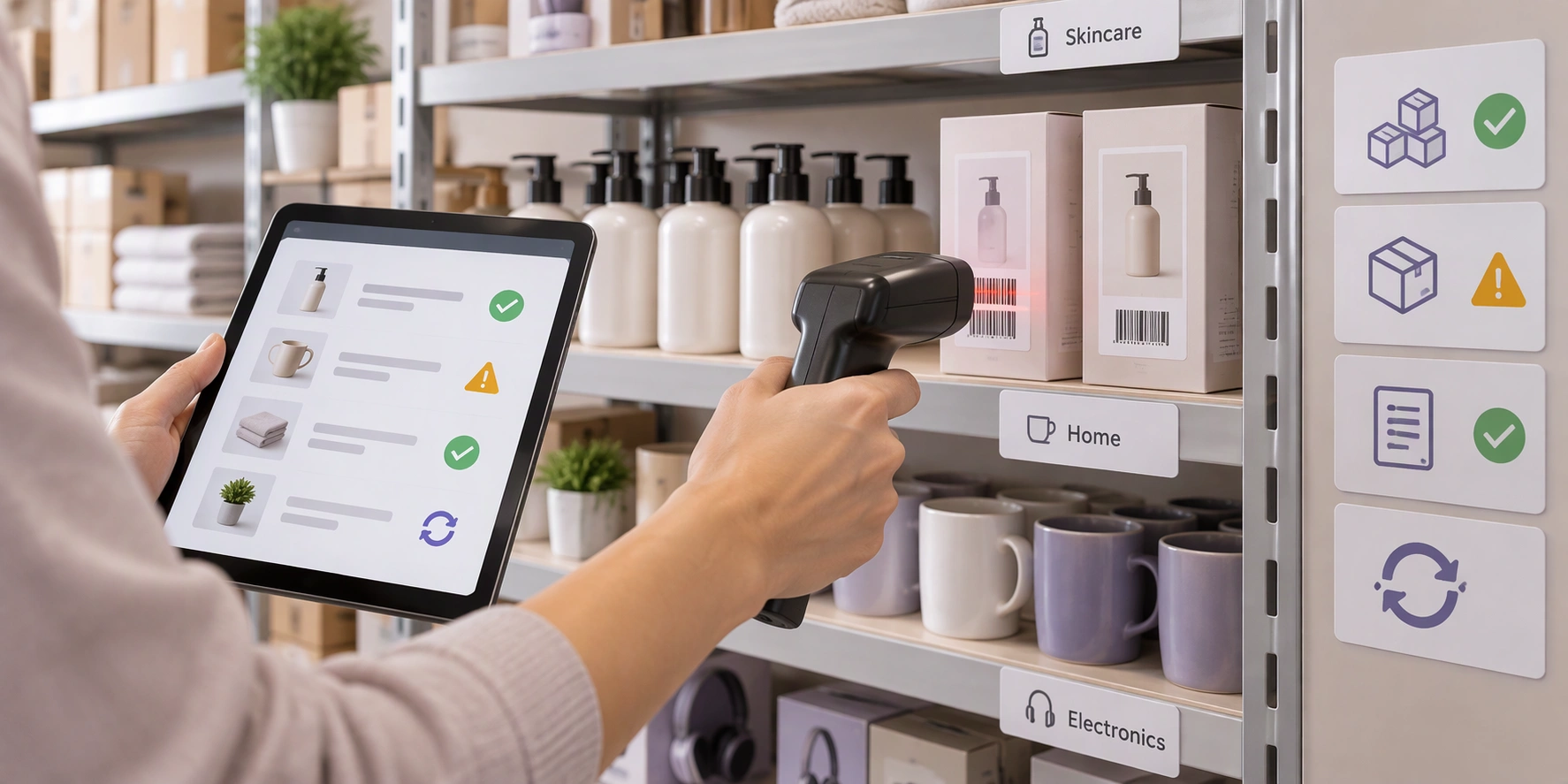
A product may be available when you contact a supplier but become unavailable after your store starts receiving orders. Poor dropshipping inventory management can lead to cancellations, delayed shipments, and unhappy customers.
Check How Often Inventory Is Updated
Ask the supplier:
- How frequently is stock information updated?
- Is inventory managed manually or automatically?
- How are low-stock products identified?
- Can inventory changes be synchronized with your store?
If you use dropshipping inventory management tools, check whether the supplier's inventory system can support the synchronization process you need.
Test How the Supplier Handles Stockouts
Imagine your store shows 50 units in stock, but the supplier has already sold out.
A reliable supplier should notify you, update stock information, and provide a realistic restocking estimate. Confirm whether unavailable products can be automatically removed from sale and whether any product substitution requires your approval.
Review Supplier Policies and Problem-Resolution Procedures
Even reliable suppliers can experience damaged products, shipping delays, and inventory problems. What matters is how they handle these situations.
Check Refund and Replacement Policies
Before working together, confirm how the supplier handles:
- Defective products.
- Damaged packages.
- Incorrect products.
- Missing items.
- Lost shipments.
Ask what evidence is required, how long you have to submit a claim, and how replacements or refunds are processed.
Confirm Responsibility for Shipping Problems
For example, imagine a package is lost during international shipping.
Who contacts the carrier? Who submits the claim? Who pays for a replacement or refund?
These responsibilities should be clear before you start accepting customer orders.
Document Important Agreements
Keep written records of:
- Product prices and additional fees.
- Processing and shipping commitments.
- Refund and replacement conditions.
- Product specifications.
- Packaging and customization requirements.
Also make realistic shipping promises to your customers. In the US, the FTC's Mail, Internet, or Telephone Order Merchandise Rule requires sellers to have a reasonable basis for stated shipping times and provides rules for handling delays and refunds.[3]
Use a Dropshipping Supplier Verification Checklist
After completing your checks, use this dropshipping supplier verification checklist to compare potential partners and identify areas that still need attention.
The following weighted scorecard is a suggested evaluation method, not an official industry standard.
| Verification Criteria |
Weight |
| Business identity and credibility |
15 |
| Product quality |
25 |
| Fulfillment performance |
25 |
| Inventory accuracy |
15 |
| Policies and problem resolution |
15 |
| Communication |
5 |
| Total |
100 |
To calculate the weighted score, multiply each category's weight by its rating, then divide the result by 5.
For example, if product quality has a weight of 25 points and the supplier receives a rating of 4 out of 5, the category earns 20 points.
Repeat this process for all six categories and add the points together. The maximum possible score is 100.
Use the final score to guide your next decision:
| Decision |
Recommended Action |
| 80–100 points |
Proceed with a limited trial and continue monitoring |
| 60–79 points |
Request further verification before increasing orders |
| Below 60 points |
Reconsider the supplier and investigate major weaknesses |
A high score should never override serious warning signs, such as unverifiable business information or unresolved product safety concerns.
Common Dropshipping Supplier Verification Mistakes
Even after completing your checks, avoid these common mistakes:
1 Trusting reviews without independent checks.
Positive reviews cannot replace business verification and actual order testing.
2 Testing only a specially prepared sample.
A sample may not reflect the quality of products handled through normal orders.
3 Confusing tracking creation with actual dispatch.
Check when the carrier physically receives the package, not just when a tracking number is generated.
4 Approving a supplier after one successful order.
One successful order does not prove consistent product quality or fulfillment performance. Continue monitoring results as your order volume grows.
How TeemDrop Supports Product Quality and Order Fulfillment
Verifying a supplier is important, but managing product quality and fulfillment after sourcing is equally important. TeemDrop brings these processes together through an AI-powered dropshipping sourcing and fulfillment platform.
Here is how TeemDrop supports different stages of your supply chain:
- Product Sourcing: TeemDrop uses AI-assisted research and sourcing to help sellers find dropshipping products from 1688, Taobao, and other sourcing channels.
- Quality Control: Its dropshipping quality control service includes pre-shipment inspections, product checks, photo and video evidence, and inspection reports to help identify defects before dispatch.
- Order Fulfillment: Through dropshipping auto fulfillment, sellers can synchronize supported store orders and coordinate sourcing, inventory, and shipping workflows.
- Global Delivery: TeemDrop provides international shipping and warehouse solutions to support deliveries to more than 200 countries.
Instead of managing every sourcing and fulfillment step separately, sellers can coordinate these operations through one platform.
TeemDrop does not eliminate the need to verify product requirements or monitor supplier performance. However, its sourcing, inspection, and fulfillment services can help sellers manage these processes more efficiently.
FAQs
How Do I Verify If a Dropshipping Supplier Is Legitimate?
Check the supplier's business registration (where applicable), contact details, website, payment information, and independent reviews. Ask for supporting documents and cross-check important claims before sending money or placing regular orders.
Should I Order a Sample Before Working With a Dropshipping Supplier?
Yes. A sample helps you check product materials, specifications, appearance, and functionality. For a more complete evaluation, place a normal test order to check packaging, processing, tracking, and delivery as well.
What Are the Red Flags of an Unreliable Dropshipping Supplier?
Common dropshipping supplier red flags include inconsistent business information, unclear pricing, repeated shipping delays, poor product quality, missing tracking updates, and unclear refund policies.
One warning sign does not automatically mean fraud, but several unresolved issues should make you reconsider the partnership.
How Many Test Orders Should I Place Before Choosing a Supplier?
There is no fixed number for every business. The right testing scope depends on product complexity, order value, shipping destinations, and potential customer risks. Start with a sample or controlled test order, then increase testing when you need more evidence of consistent performance.
What Should I Ask a Dropshipping Supplier Before Working With Them?
Ask about business identity, product specifications, stock updates, processing time, shipping methods, order capacity, refund policies, and responsibility for damaged or lost packages. Request written answers to important commercial and fulfillment questions.
Final Thoughts
A reliable dropshipping supplier should be able to demonstrate their capabilities, not just make attractive promises.
Before committing, verify business information, inspect actual products, test normal order fulfillment, check inventory accuracy, and confirm how problems will be handled.
Most importantly, treat supplier verification as an ongoing process. Continue reviewing product quality, shipping performance, and communication as your store grows.
With the right checks and a reliable sourcing and fulfillment workflow, you can reduce avoidable risks and build a more stable dropshipping business.
Ready to make product sourcing and fulfillment easier? Start building your dropshipping workflow with TeemDrop.
References
[1] Shopify Help Center. Dropshipping: Legal and Product Safety Considerations.
https://help.shopify.com/en/manual/compliance/legal/dropshipping
[2 Shopify Help Center. Choosing Suppliers.
https://help.shopify.com/en/manual/products/dropshipping/creating-a-product-line/choosing-suppliers
[3] Federal Trade Commission (FTC). Business Guide to the FTC's Mail, Internet, or Telephone Order Merchandise Rule.
https://www.ftc.gov/business-guidance/resources/business-guide-ftcs-mail-internet-or-telephone-order-merchandise-rule