What Is Branded Dropshipping and How to Start
Let's skip the "dropshipping is dead" headlines—we know that's not true. However, the old way of doing it certainly feels like it's on life support.
Trying to run a successful store with 20-day shipping and zero brand presence is an uphill battle in today's market. Customers in 2026 are looking for trust and quality.
In this guide, we're moving past the "quick-buck" mentality and focusing on Branded Dropshipping: the strategy that actually turns a store into a long-term asset.
What Is Branded Dropshipping?
Let's keep the branded dropshipping meaning simple.
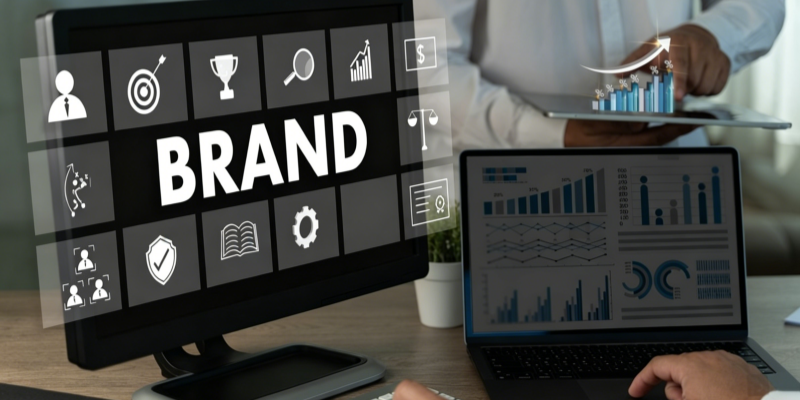
Branded dropshipping is the process of selling products under your own unique brand name and identity, while still using the dropshipping business model (where you don't hold inventory).
Instead of selling a "Generic Waterproof Watch," you are selling "The AquaTime Explorer." You have a custom logo, consistent colors, high-quality content, and—most importantly—a specialized supplier that ensures quality and fast delivery.
Standard Dropshipping vs. Branded Dropshipping
| Feature |
Standard Dropshipping |
Branded Dropshipping |
| Price Point |
Low (Price wars) |
High (Premium value) |
| Customer Loyalty |
Zero (One-time buyers) |
High (Repeat fans) |
| Shipping |
Slow & Unpredictable |
Fast & Tracked |
| Profit Margins |
10% – 20% |
30% – 60%+ |
| Sustainability |
Short-term trend |
Long-term asset |
Why Branded Dropshipping Is More Profitable
If you're wondering if the extra effort is worth it, or how much can a dropshipper make with this model, look at the numbers and the logic behind branded ecommerce.
1. Higher Profit Margins
With traditional dropshipping, margins often sit around 10–20%.
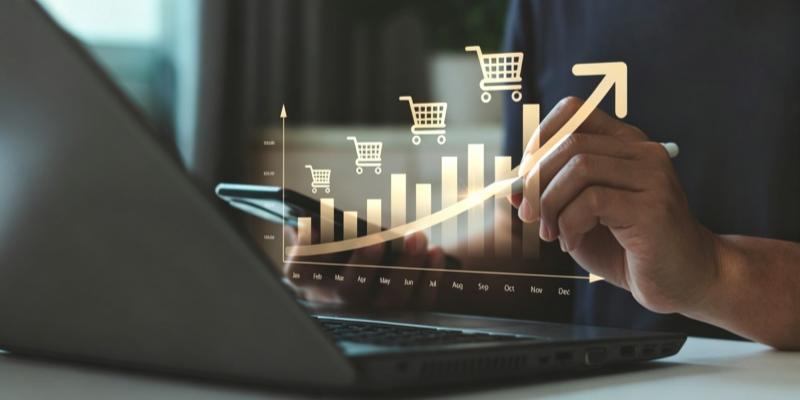
With branded dropshipping, it's common to see 30–60% or more, because customers are paying for more than just the product—they're paying for the experience.
2. Better Conversion Rates
A clean store, consistent branding, and strong product positioning instantly build trust. That trust leads to higher conversions.
People don't hesitate as much when a store feels "real."
3. Long-Term Growth
Branded stores can:
- Build email lists
- Generate repeat buyers
- Create loyal audiences
That means you're not starting from zero every time.
One line sums it up perfectly:
You're no longer selling a product. You're selling a perception.
Best Products for Branded Dropshipping
Not every product is meant to be a brand. To find winning dropshipping products, look for items that solve a problem or tap into a passion. Here are the top categories for 2026:
1. Beauty & Personal Care
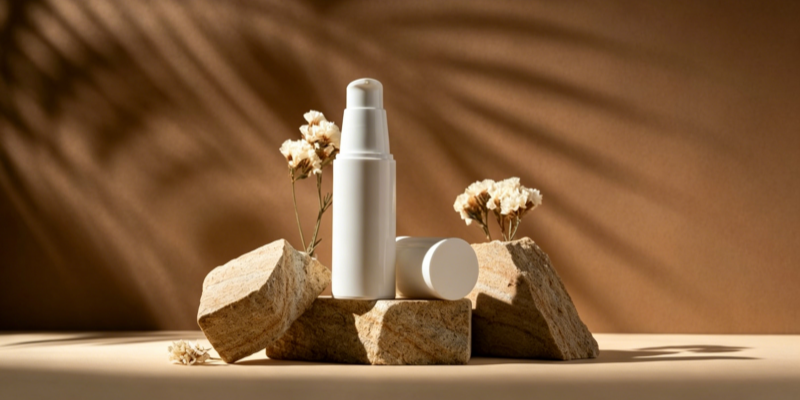
This is the holy grail of branding. People don't just buy "skin cream"; they buy "the secret to glowing skin."
- Examples: LED face masks, organic hair serums, or portable makeup mirrors.
- Why it works: High emotional connection and very easy to market using TikTok or Instagram influencers.
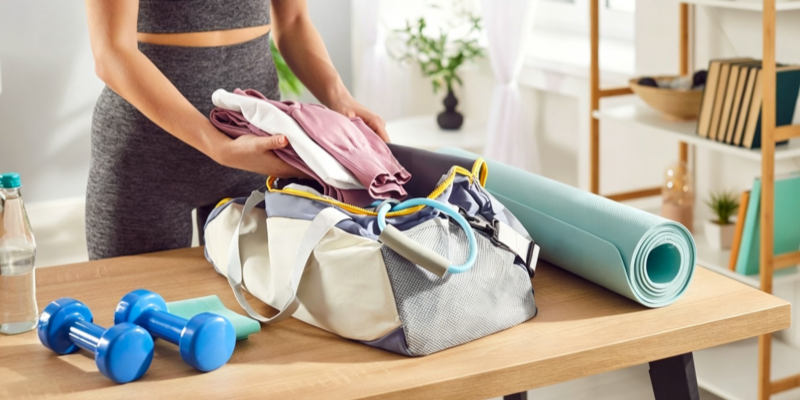
2. Fitness & Wellness
The "home gym" and "self-care" trends are now permanent fixtures.
- Examples: Ergonomic yoga mats, smart jumping ropes, or muscle recovery massage guns.
- Why it works: Fitness is an identity. People love buying gear that reflects their commitment to a healthy lifestyle.
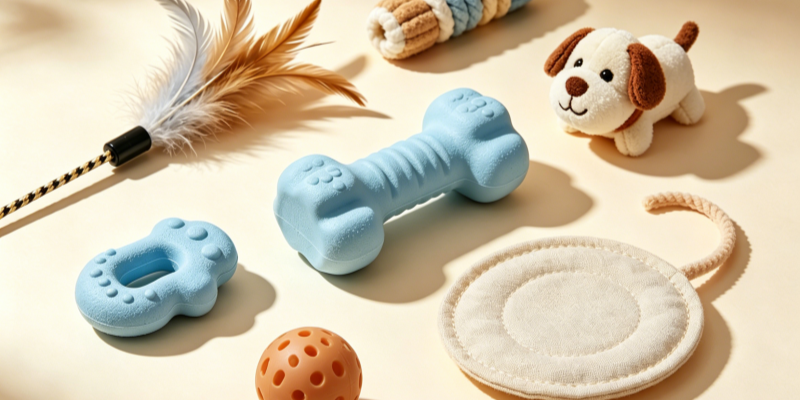
3. Pet Supplies
Pet owners treat their dogs and cats like family members.
- Examples: Calming pet beds, GPS trackers, or automatic feeders.
- Why it works: High "cute factor" for social media ads and high repeat purchase potential (pets always need more stuff!).
4. Smart Home & Decor
Since more people work from home, they want their space to look and feel better.
- Examples: Sunset lamps, minimalist desk organizers, or smart humidifiers.
- Why it works: Aesthetic products are very easy to turn into a "vibe" or a lifestyle brand.

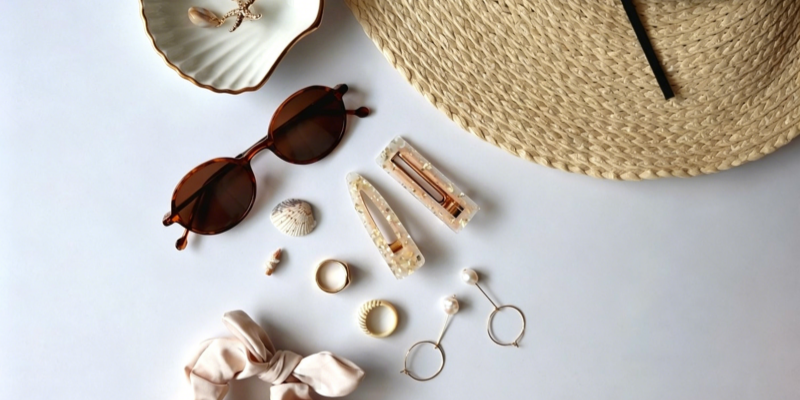
5. Fashion Accessories
Fashion is the ultimate form of self-expression. In this niche, customers don't just buy a "gold necklace"; they buy "the finishing touch to their personal style."
- Examples: Minimalist jewelry, polarized vintage sunglasses, or designer-inspired silk scarves.
- Why it works: These products are highly visual and trend-driven, making them perfect for "aesthetic" TikTok and Instagram content. They are lightweight, easy to brand with custom packaging, and perfect for bundling to increase your average order value.
The Biggest Challenges (The "Fulfillment Trap")
Here's where most guides stop being honest.
Building a brand is great—but execution is where things break.
Common Problems:
❌ Slow shipping
Many suppliers take too long
❌ Inconsistent quality
One bad product can destroy trust
❌ Limited branding options
No custom packaging or labeling
❌ Too much manual work
Constant back-and-forth with suppliers
And this leads to a critical insight: Branding fails not because of marketing, but because of fulfillment.
You can have the best ads in the world, but if your dropshipping services and delivery experience are bad, customers won't return.
How to Choose the Best Branded Dropshipping Suppliers
If you want to build a real brand, you can't afford to have a "maybe" supply chain. One week of slow shipping can result in thousands of dollars in refunds and a banned Facebook Ad account.
When looking for suppliers, most beginners choose between three main paths. Let's look at how they compare so you can choose the best fit for your business.
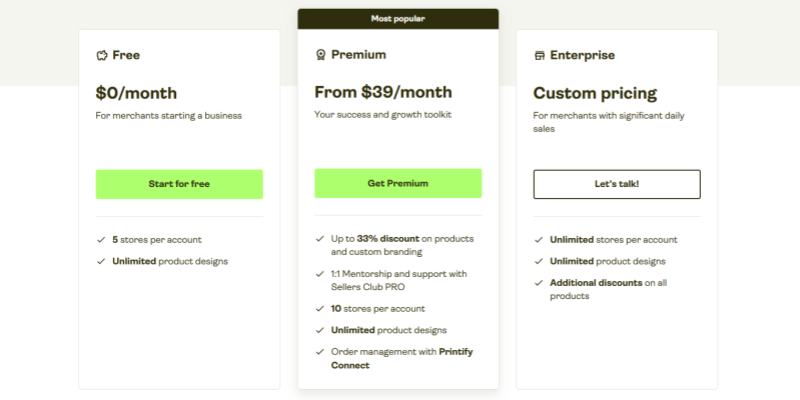
The Design-First Path (Printful & Printify)
If your brand is built entirely on custom designs, graphic tees, or unique merchandise, Print-on-Demand (POD) is a popular choice. Platforms like Printful and Printify allow sellers to create custom products that are printed and fulfilled only after an order is placed, eliminating the need for inventory. [1][2]
Best for: Creators, artists, and clothing brands with original designs.
Pros: Built-in branding (custom labels/pack-ins) and no inventory risk.
The Reality: The cost per unit is much higher, which can squeeze your profit margins, and production times are often slower than pre-manufactured goods.
The Automation & Volume Path (CJ Dropshipping & AutoDS)
Platforms like CJ Dropshipping offer integrated sourcing, warehousing, and order fulfillment services, allowing sellers to manage logistics across multiple regions more efficiently. [3]
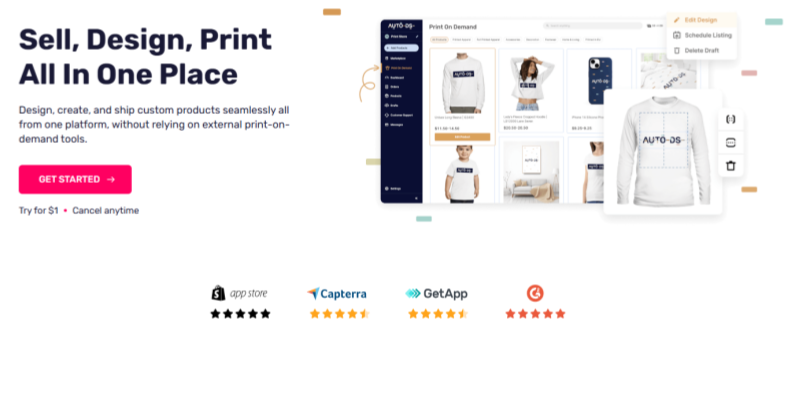
Meanwhile, tools like AutoDS provide automation features such as product importing, price monitoring, and automatic order fulfillment, helping streamline store operations at scale. [4]
Best for: Growing stores that need to manage hundreds of SKUs across multiple platforms.
Pros: CJ Dropshipping offers vast sourcing and global warehouses, while AutoDS provides powerful price monitoring and automated stock updates.
The Reality: Because these platforms handle a massive volume of users, the support can feel impersonal, and the interfaces can be complex for beginners to navigate.
The Branded Scaling Partner (TeemDrop)
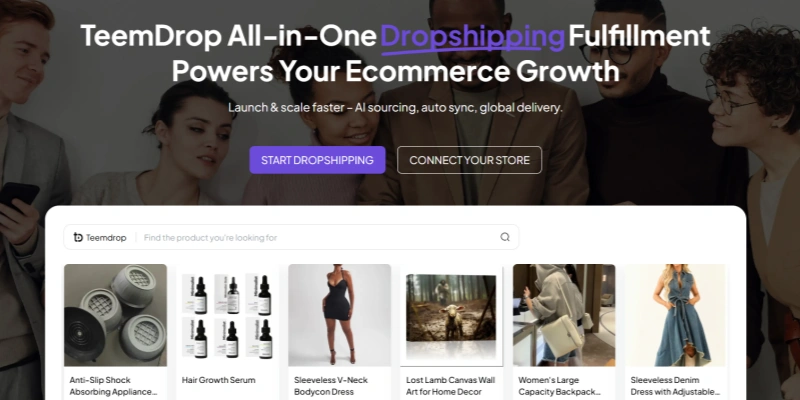
TeemDrop was designed specifically for the 2026 market—for entrepreneurs who want the ease of dropshipping but the quality of a boutique brand.
AI-Driven Sourcing: Instead of you manually vetting thousands of random listings, TeemDrop uses AI to match your store with high-quality, reliable manufacturers.
Built-in Brand Identity: We focus on the physical touchpoints that build loyalty. From quality-checked inventory to custom packaging options, we ensure your customers get a premium experience.
Seamless Efficiency: By syncing directly with your store, the fulfillment process becomes fully automated. No manual ordering or tracking number headaches—allowing you to stay lean and focus on scaling your brand.
How to Start Branded Dropshipping Step by Step
Ready to build your empire? Follow these steps to go from zero to launch.
Step 1: Choose Your Niche
Don't try to be the next Walmart. Be the "best eco-friendly yoga brand" or the "coolest tech-gadget shop for gamers." Pick a niche you actually understand or have an interest in.
Step 2: Define Your Target Audience
Who is your customer? A 25-year-old "cool mom" or a 40-year-old fitness enthusiast? When you know who you're talking to, your ads become much cheaper and more effective.
Step 3: Create Your Brand Identity
You don't need a $5,000 designer. Use tools like Canva to create a clean logo and choose a color palette (2-3 colors max). Write a simple "About Us" page that tells a real story about why you started this brand.
Step 4: Set Up Your Online Store
Shopify is the gold standard, but there are other great options. Keep your design clean and minimalist. In 2026, less is more. Make sure your mobile site is lightning fast, as 90% of your traffic will come from phones.
Step 5: Source Your Products with TeemDrop
Finding reliable products that match your brand's quality standards is one of the most important steps. Many sellers use dedicated fulfillment platforms to streamline this process and reduce the time spent vetting suppliers.
TeemDrop provides AI-assisted sourcing, quality control, and custom packaging options. Connecting your store to TeemDrop can help you source products more efficiently while maintaining the quality and branding your customers expect.
Step 6: Create High-Quality Content
In branded dropshipping, you cannot use the blurry, low-quality photos from the supplier. Order a sample to your house. Use your phone to film "TikTok style" videos. Authentic, UGC (User Generated Content) style videos outperform professional ads almost every time.
Step 7: Launch Your Marketing
Start with TikTok Organics or Instagram Reels to test the water for free. Once you see a video getting views and engagement, put some budget into TikTok Ads or Meta Ads to scale your reach.
Final Thoughts
Branded dropshipping is not a get-rich-quick scheme — it's a real business model that requires more effort upfront but offers significantly better long-term rewards in profit, customer loyalty, and brand value.
The key is choosing the right niche, creating authentic content, and having a stable fulfillment system that can support your growth without constant manual work.
If you're ready to move beyond generic dropshipping and build something you can truly own, focusing on branding combined with reliable operations is one of the smartest strategies in 2026.
FAQ
Is branded dropshipping worth it in 2026?
Absolutely. It's actually the only sustainable way to stay profitable. As ad costs rise, only brands with high margins and repeat customers will survive.
How much does it cost to start?
You can start a branded dropshipping store for roughly $500–$1,000. This covers your store subscription, a few product samples, and your initial ad budget. Using TeemDrop helps keep costs low because you don't have to pay for bulk inventory upfront.
Do I need to be a professional designer?
Not at all. Modern tools make it easy to create a professional-looking brand without any technical skills. Focus on being a "curator" of good taste.
How do I find branded dropshipping suppliers?
You could spend weeks vetting random people on the internet, or you can use a dedicated platform like TeemDrop. We vet the suppliers for you, so you can focus on selling.
References
[1] Printful – How print-on-demand works
https://www.printful.com/how-print-on-demand-works
[2] Printify – What is print on demand
https://printify.com/what-is-print-on-demand/
[3] CJ Dropshipping – Dropshipping service overview
https://cjdropshipping.com/article-details/what-is-dropshipping
[4] AutoDS – Dropshipping automation explained
https://www.autods.com/blog/dropshipping/what-is-dropshipping/